When a home in Connecticut comes on the market with energy-related features, questions about value tend to surface quickly. Sellers wonder whether the work they invested in matters. Buyers ask whether those features justify a higher price. Agents are left navigating a narrow path between explaining how Connecticut energy features can influence and avoiding claims that the market may not support.
The most accurate way to approach this topic is neither optimistic nor dismissive. Energy features can affect home value, but only under specific conditions. Those conditions have less to do with the upgrades themselves and far more to do with whether information about those upgrades is visible, standardized, and comparable at the time of sale.
This article explains what large-scale transaction data actually show about energy information and home value, why documentation and disclosure matter more than assumptions, and how conversations about Connecticut energy features can stay grounded without drifting into promises or guarantees.

The Right Question About How Energy Features Affect Home Value
The wrong question is: Do energy upgrades increase home value?
The right question is: When does information about energy performance enter the market in a way that allows it to influence outcomes?
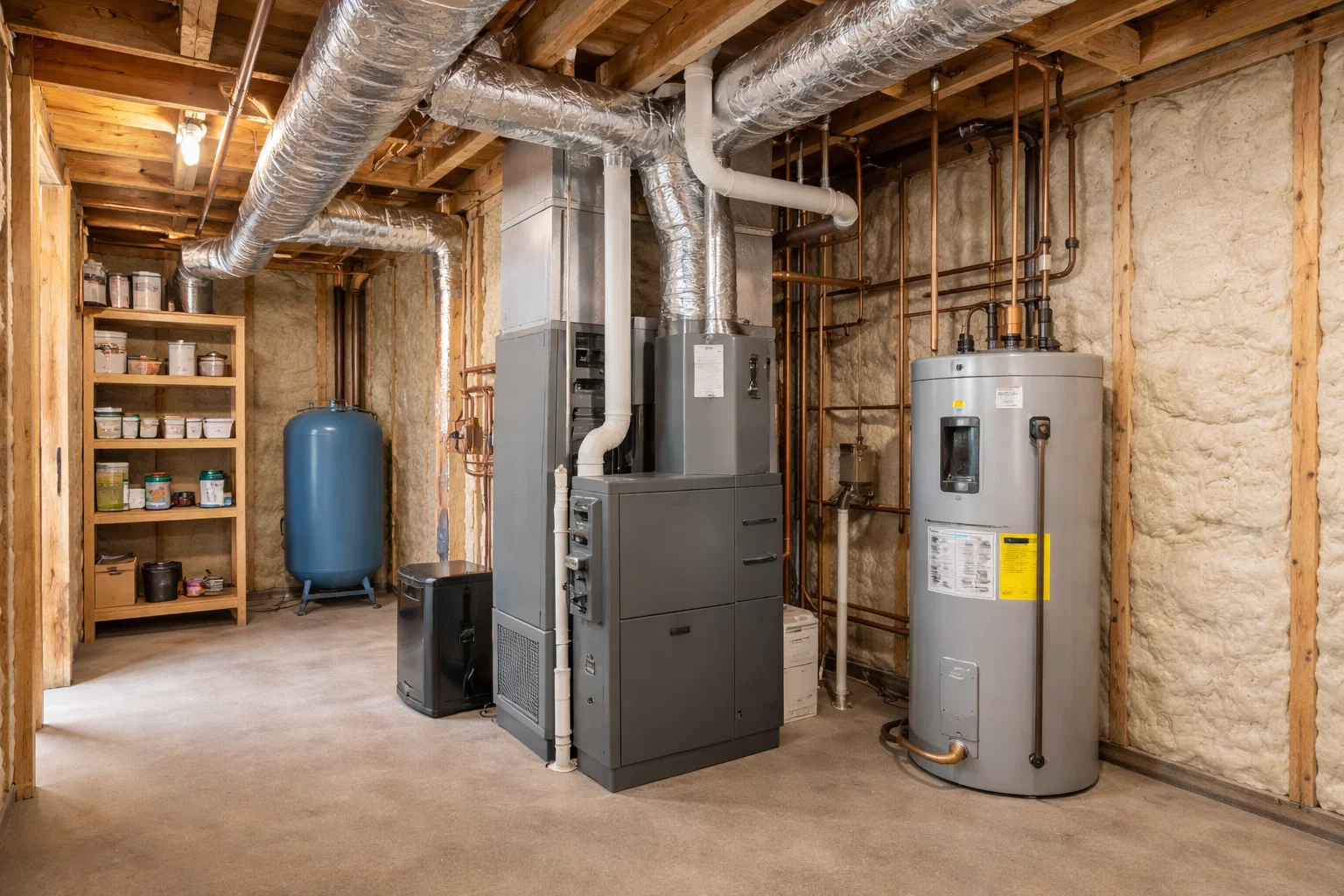
Homes are complex assets. Many of their most important characteristics are invisible without explanation. Energy-related work, insulation, air sealing, efficient equipment, or performance improvements, almost always falls into this category. Once completed, much of that work disappears behind walls, ceilings, and mechanical rooms.
Markets do not reward what they cannot see. Understanding how Connecticut energy features affect home value requires shifting attention away from the physical upgrades themselves and toward the conditions under which information about those upgrades becomes part of the transaction.

Energy Features vs. Energy Information in Home Valuation
Energy features and energy information are not the same thing. A home may have substantial improvements that reduce operating costs or improve comfort, but those improvements only influence market behavior when they are translated into information that buyers, appraisers, and lenders can evaluate. In practice, that means standardized descriptions, clear documentation, and disclosure at the right moment.
When energy information remains private, known only to the seller, it does not reliably influence pricing or appraisal outcomes. When that information is visible and comparable, it sometimes does. This distinction explains why energy features can appear to matter in some markets and not in others, even when the underlying homes are similar.

What Sales Data Show About Energy Features and Home Value
Analysis of tens of thousands of home sales across multiple markets shows a consistent pattern: energy performance information is associated with modest differences in sale prices only when that information is disclosed and standardized. When energy performance is translated into a score or rating that buyers and appraisers can see during the transaction, higher performance tends to align with slightly higher sale prices.
When the same information exists but is not disclosed, the relationship disappears. The size of the observed differences is modest. These are not dramatic premiums, windfalls, or guarantees. The importance of the finding lies in the mechanism, not the magnitude.
Visibility is the gatekeeper.

What Sales Data Show About Energy Features and Home Value
Markets operate on information. Buyers compare listings. Appraisers compare recent sales. Lenders evaluate risk using standardized inputs. Energy features only influence these processes when they are documented in a way that allows comparison. When energy information is disclosed consistently across homes, it becomes possible to weigh one property against another. When it is not, energy performance remains a private benefit rather than a market signal. This explains why energy features sometimes appear to “add value” and sometimes do not. The difference is not the upgrade. It is whether the information enters the market at all.

Why Comparability Matters in Home Value Evaluation
Real estate valuation depends on comparables. A feature that cannot be compared cannot be evaluated. A feature that cannot be evaluated cannot be priced. Energy information that is standardized allows homes to be placed on a common scale. Without that scale, even well-documented improvements struggle to influence outcomes because there is no consistent way to compare one home’s performance to another’s. This is why informal claims about energy efficiency, no matter how accurate, rarely influence appraisals. They lack a comparative framework.
Connecticut Energy Features in Context
Connecticut’s housing stock includes a large number of older homes where energy-related improvements are common. Insulation upgrades, air sealing, heating system replacements, and performance improvements often address comfort, safety, or deferred maintenance rather than resale strategy. That reality does not diminish the relevance of energy features. It clarifies their role.
Energy features in Connecticut should be understood as legitimate building improvements whose market relevance depends on how clearly they are described and disclosed, not on assumptions about buyer behavior or generalized expectations.

What the Evidence Does Not Support
It is important to be clear about what the data do not show.
There is no evidence that:
- energy upgrades guarantee higher sale prices
- energy features always influence appraisals
- energy efficiency produces uniform results across markets
- the same outcomes appear when energy information is hidden
- Connecticut-specific premiums can be assumed
Any statement that suggests certainty goes beyond what the evidence supports.

Why Modest Effects Are Still Meaningful
Small associations are not the same as trivial ones. Even modest differences matter in competitive markets, but only when they are understood correctly. The significance of energy information lies less in the size of any observed price difference and more in the demonstration that markets respond to what they can see.
When energy performance becomes legible, it sometimes enters valuation conversations. When it does not, it is ignored. This insight applies regardless of market cycle, interest rate environment, or local conditions.

The Role of Documentation
Documentation is not a sales tactic. It is a prerequisite for evaluation. Clear records, such as performance assessments, standardized scores, and organized upgrade histories, do not force the market to assign value. They allow the market to consider energy features alongside other attributes. Without documentation, energy features behave like undocumented renovations: meaningful to occupants, but unreliable in valuation contexts.
What This Means for Agents
Agents play a critical role as translators between physical features and market-recognized information.
The safest approach is not to argue that energy features add value, but to explain when and how they may be considered. This involves:
- gathering relevant documentation early
- describing features accurately and consistently
- avoiding predictions about outcomes
- framing energy performance as information, not a guarantee
This approach protects agents from liability and aligns with how markets actually behave.
What Agents Should Avoid Saying
Conversations about energy features often invite overreach. Sellers want reassurance. Buyers want clarity. Pressure to simplify is real. Claims about guaranteed price increases, specific percentages, or expected appraisal treatment extend beyond what evidence supports. Even well-intentioned statements can create risk when outcomes differ from expectations. Restraint is not pessimism. It is professionalism.

Language That Is Accurate and Defensible
There is a way to speak confidently without crossing lines.
Agents can explain that:
- energy performance information matters when disclosed
- standardized documentation improves visibility
- market recognition depends on comparability
- outcomes vary based on context
They should avoid implying certainty where none exists.

Why This Approach Serves Sellers Better
Overpromising does not help sellers. Inflated expectations often lead to disappointment when markets behave differently than hoped. Clear presentation sets realistic expectations. It ensures that legitimate work is visible. It allows buyers, appraisers, and lenders to evaluate energy features alongside other attributes without distortion. That transparency benefits everyone involved in the transaction.

Frequently Asked Questions
Do energy features increase home value in Connecticut?
Energy features can influence home value in Connecticut when information about those features is disclosed, standardized, and comparable at the time of sale. Without visible information, market effects are inconsistent.
Why don’t energy upgrades always affect appraisals?
Appraisals rely on documented, comparable data. When energy features are not clearly documented or disclosed, appraisers cannot reliably analyze their market impact.
What matters more: the upgrade or the documentation?
Documentation matters more for valuation. Energy upgrades only influence outcomes when information about them enters the transaction in a usable form.
Energy Features Without Myths
Energy efficiency matters because it reflects real work done to real buildings. It affects comfort, safety, and performance. It becomes relevant to market outcomes only when information about that performance is visible and comparable. What energy features do not do is guarantee results.
For Connecticut homeowners and agents, the most responsible approach is straightforward:
- make legitimate work visible
- make information verifiable
- describe features accurately
- avoid promises
That approach respects evidence, aligns with market behavior, and gives Connecticut energy features their best chance to matter, without pretending they can do more than the data allow.
If you want to go deeper:
- For agents preparing documentation, read The Proof Folder.
- If you want to understand pre-listing strategies for retrofit visibility, explore Before You List.
- For context on programs that encourage these improvements, see EnergizeCT’s Bigger Purpose.