When a Connecticut homeowner gets ready to sell, energy efficiency almost always enters the conversation. Sometimes it comes up early, when sellers talk about insulation work or mechanical upgrades they’ve invested in over the years. Other times it appears late, when a listing is nearly finished and someone asks whether any of those improvements actually matter.
Agents are often caught in the middle of that question. Sellers want reassurance. Buyers want clarity. Appraisers want documentation. And everyone wants an answer that feels grounded, not speculative.
The safest and most accurate way to approach energy efficient home value in Connecticut is to start with a simple reality: energy improvements only influence outcomes when the market can clearly see them, verify them, and compare them to other homes. Anything beyond that moves from explanation into prediction, and prediction is where risk lives.
This article is not about promising higher prices, faster sales, or guaranteed appraisal treatment. It is about how energy efficiency fits into the real mechanics of a transaction, and what agents can do to make sure legitimate work does not disappear simply because it was invisible.
Why Energy Improvements Are Common (and Often Missed in Connecticut Homes)
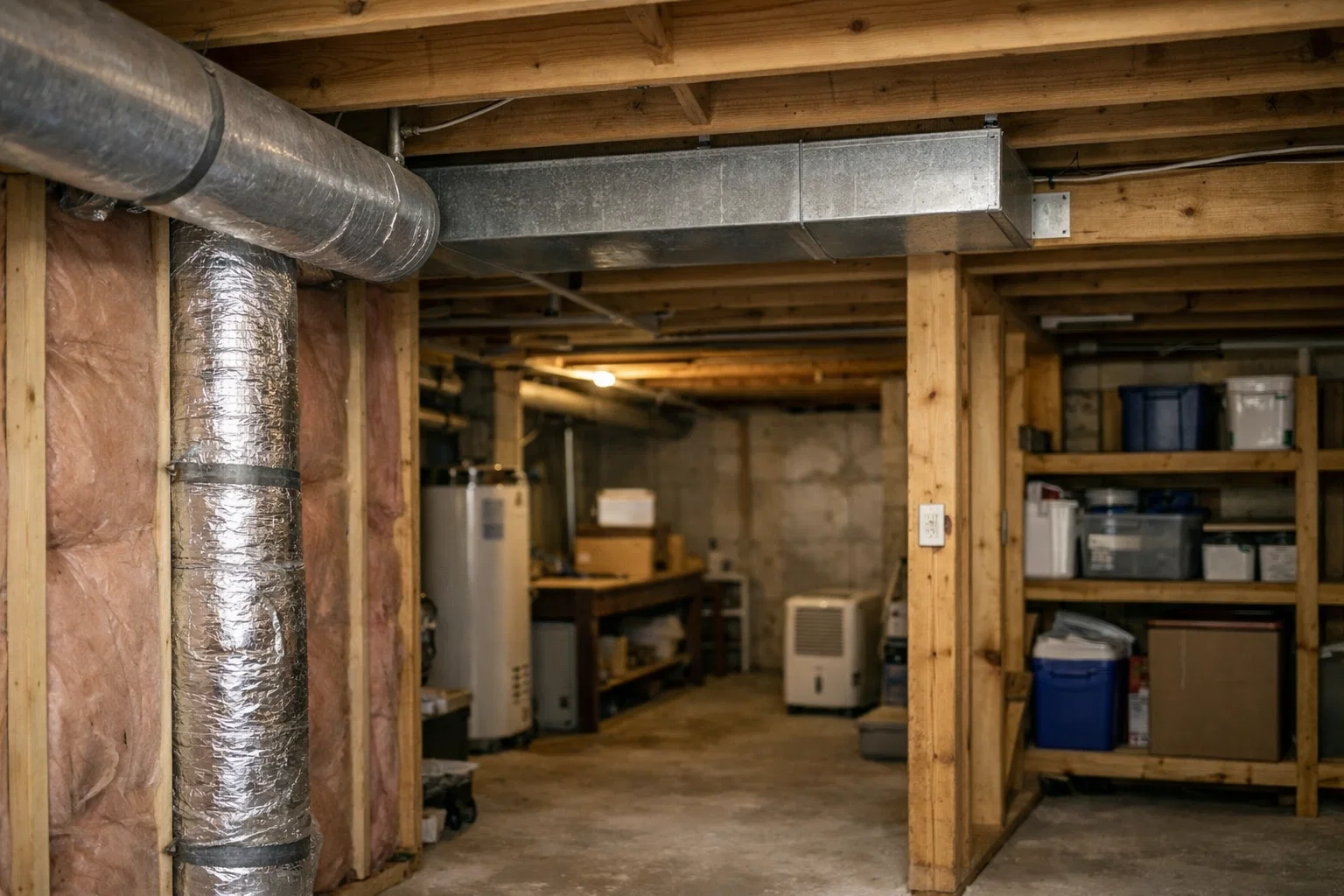
A large share of Connecticut’s housing stock is old. That age brings familiar problems: drafty envelopes, inconsistent temperatures, outdated systems, moisture issues, and health or safety conditions that must be addressed before efficiency work can even happen. Energy-related improvements are often not elective upgrades meant to “green” a home. They are foundational repairs that allow the building to function properly.
Because of that, many homes in the state have received some form of energy work over time. Insulation added in an attic. Air sealing done during a weatherization project. Mechanical systems replaced or reconfigured. Ventilation improved. In some cases, more extensive renovation work tied directly to building performance or health and safety concerns.
The problem is not whether this work exists. The problem is that most of it leaves very little visible evidence once it’s complete. Buyers do not see air sealing. Appraisers do not see insulation behind finished walls. Even mechanical upgrades can blend into the background if they are not clearly described. Without deliberate effort, energy efficiency becomes a hidden feature. And hidden features are functionally nonexistent in real estate transactions.
CT.gov lays out methods of improving energy efficiency in Connecticut’s older housing stock.
‘
What Energy Efficient Home Value Actually Means
In everyday conversation, value is often treated as a synonym for price. In practice, value operates earlier and more quietly than that. In housing markets, value begins with recognition. A feature has no influence on anything if it is not identifiable. Recognition depends on verification. Verification depends on documentation. Only after those steps does comparison become possible.
Energy efficiency fits squarely into this framework. It does not operate like a freshly remodeled kitchen, where the improvement is self-evident. It behaves more like electrical work, plumbing upgrades, or structural repairs, important, but only meaningful if the scope of work is clearly understood. For agents, this reframes the entire conversation.
The goal is not to argue that energy efficiency adds value. The goal is to ensure that real, legitimate improvements are visible to the people and systems that evaluate the property.

Why Documentation Determines Whether Energy Upgrades Affect Value
Large parts of the housing system do not work on trust or narrative. They work on confirmation. When energy features are evaluated by lenders or underwriting systems, they are not taken at face value. They are checked. Verified. Confirmed.
This logic shows up repeatedly across housing finance. Features are only counted when they can be identified using clear criteria and supporting records. Claims without documentation are ignored, not debated.
Connecticut’s own approach to renovations reflects the same principle. Major work is categorized by scope, described by what was actually changed, and supported by records. The emphasis is not on outcome claims but on clarity about what happened to the building.
For energy efficiency, this means one thing: work that is not documented might as well not exist. Agents who understand this are far better positioned to protect their clients’ interests, not by overselling upgrades, but by preventing them from disappearing entirely.

The Agent’s Role in Making Energy Improvements Visible
Agents are not energy auditors, engineers, or appraisers. But they are translators. They translate between what a seller knows about their home and what a buyer, appraiser, or lender can understand. Energy efficiency lives or dies in that translation.
When agents treat energy improvements casually, mentioning them in passing, assuming they are obvious, or leaving documentation scattered, the market rarely picks them up. When agents treat them deliberately, they at least enter the conversation. That difference matters.

How Energy Improvements Usually Get Lost in Transactions
Energy efficiency tends to disappear for predictable reasons. Sellers assume past work is self-explanatory. Agents focus on visible features that feel easier to market. Documentation lives in old folders, emails, or contractor portals no one revisits. Then the listing goes live. Buyers see a house that looks similar to others. Appraisers see no clear evidence of differentiation. Lenders rely on what can be verified.
The upgrades fade into the background, not because they lack importance, but because they lack structure. This is not a failure of the improvements themselves. It is a failure of presentation.

Before Listing: How Agents Can Protect Energy Efficient Home Value
The moment to address energy efficiency is not during negotiations or after an appraisal question arises. It is before the home ever hits the market. That work begins with gathering information. Not promotional language, not savings estimates, but simple records that describe what was done and when. Contractor invoices, scopes of work, installation dates, manuals, and assessments all help convert invisible work into identifiable features.
Once gathered, those improvements need to be described plainly. Not as promises, not as marketing slogans, but as factual statements of completed work. Insulation was added. Air sealing was performed. Mechanical systems were upgraded. Ventilation was improved. Building envelope repairs were completed.
This kind of language does not attempt to predict outcomes. It allows others to evaluate the home accurately.

Comparability Is What Allows Evaluation to Happen
Markets work by comparison. Appraisers compare homes. Buyers compare listings. Lenders compare risk profiles. A feature that cannot be compared cannot be weighed. Clear documentation allows energy efficiency to enter that comparison. It does not guarantee that a premium will be assigned. It ensures that the feature is visible enough to be considered at all.

What Agents Should Avoid Saying (Even When Pressured)
Energy efficiency conversations often drift into dangerous territory. Sellers ask whether upgrades will “pay off.” Buyers ask about savings. Agents may feel pressure to reassure. The safest path is restraint. Claims about guaranteed cost savings, specific dollar impacts, appraisal outcomes, or Connecticut-specific premiums go beyond what documentation supports.
Even well-intentioned statements can create liability if they imply certainty where none exists. Clarity protects everyone. Agents do not need to diminish the importance of energy efficiency. They need to avoid assigning it outcomes that no one can promise.

Language That Is Accurate, Useful, and Defensible
There is a way to speak confidently about energy efficiency without crossing lines. Agents can explain that documented improvements help buyers and evaluators understand the home’s condition. They can explain that institutional market participants rely on verification, not claims. They can explain that their role is to present information clearly, not to predict how it will be weighed. This positions the agent as a professional guide rather than a salesperson making guarantees.

Why This Approach Actually Serves Sellers Better
Overpromising energy efficiency does not help sellers. When expectations are inflated and outcomes do not match, disappointment follows. Clear presentation sets realistic expectations. It ensures that real work is visible. It allows the market to do what it does, evaluate, compare, and decide, without distortion. Sellers benefit when their improvements are documented properly. Buyers benefit when they understand what they are purchasing. Agents benefit when they stay within defensible bounds.

Energy Efficient Home Value in Connecticut: The Bottom Line
Energy efficiency matters in Connecticut because it reflects real work done to real buildings in a state with an aging housing stock. It matters because it affects comfort, safety, and performance. And it matters because the housing system recognizes verified features, not assumptions.
What energy efficiency does not do is guarantee outcomes. Make legitimate work visible. Make it verifiable. Describe it accurately. Avoid promises. That approach respects the evidence, protects all parties, and gives energy efficiency its best chance to matter, without pretending it can do more than it actually can.
If you want to go deeper:
- For guidance on making documentation usable for appraisers, see The Proof Folder.
- To understand which features appraisers most often need context for, explore How Energy Features Affect Home Value in Connecticut.
- If you want language that helps position upgrades without claims, read The 90-Second Energy Walkthrough.