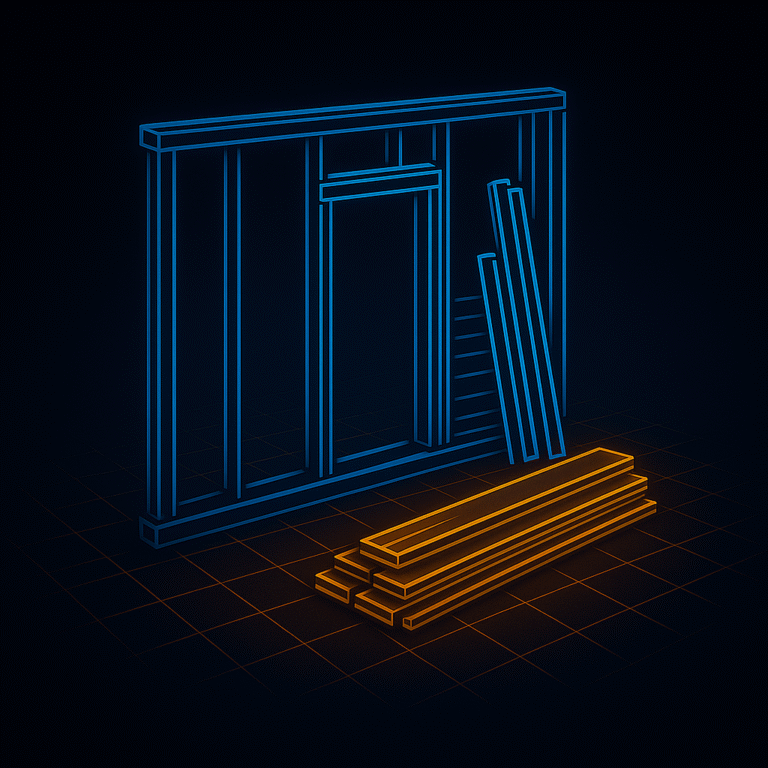
Building materials are core components of a green home. They note that materials affect a home’s environmental footprint across their entire lifecycle, how they’re made, how long they last, and what happens when they’re removed. CT DEEP goes one step further by documenting actual centers for building material reuse in Connecticut, where construction materials can be salvaged, stored, sold, and put back into circulation instead of entering disposal. Building material reuse in Connecticut allows doors, cabinets, windows, lumber, and fixtures removed during home preparation to be salvaged and reused instead of discarded.
Every home in Connecticut carries the story of the materials inside it. Doors that have been opened thousands of times. Trim worn smooth at the edges. Cabinets added during a renovation years ago. Wood, metal, fixtures, all of it shaped by the people who lived there and now sitting quietly in place as the home prepares for its next owner.
Together, these two ideas form a simple truth: What you leave behind matters. Not just for the next owner, but for the material itself, and for Connecticut’s waste system.

Reusable Building Materials in Connecticut Homes
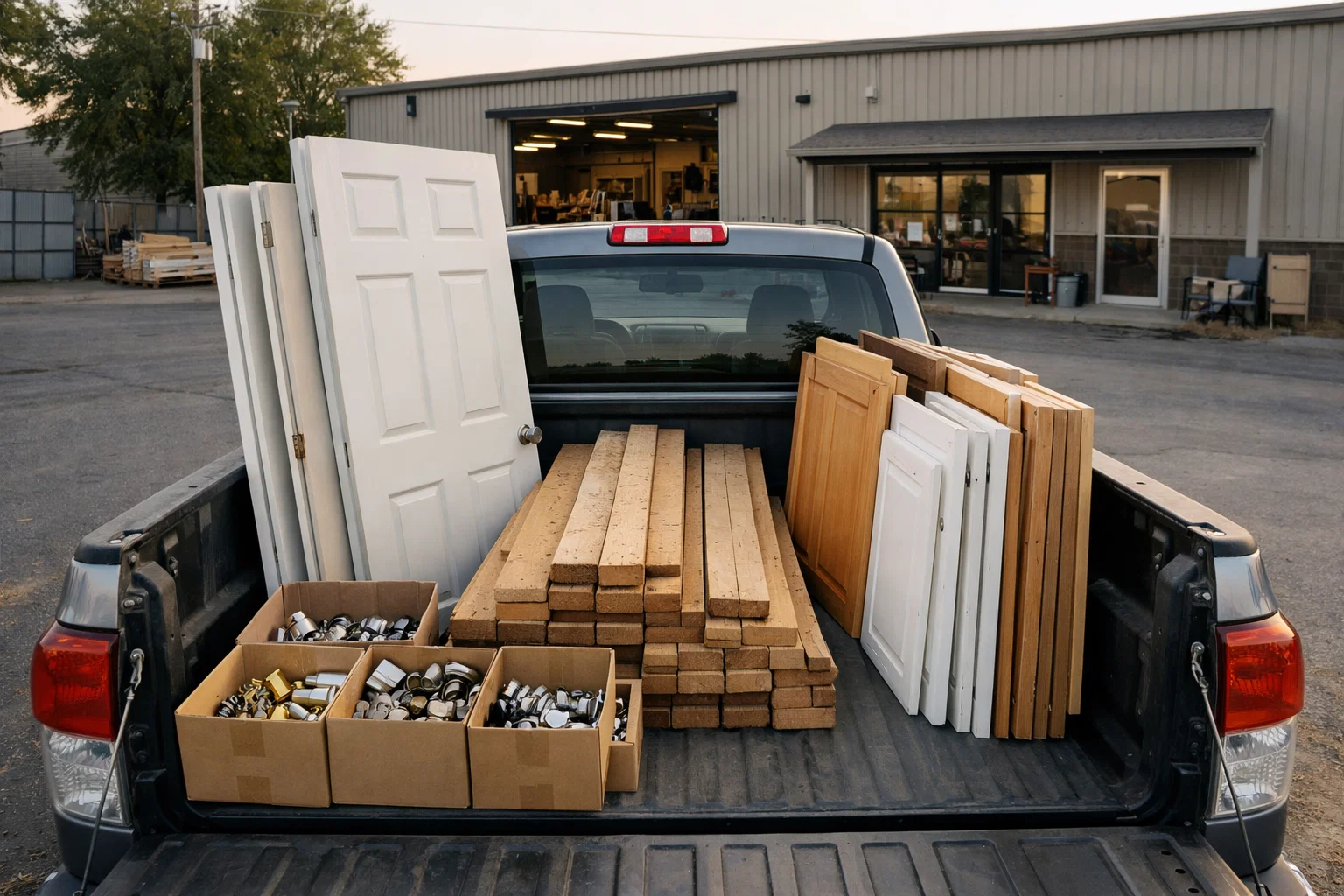
Several types of materials that can be reclaimed in Connecticut: cabinets, doors, windows, lumber, hardware, and other components. These are the same materials that pass through real estate transactions every day, the parts of a home that outlast owners.
When a homeowner prepares a property for sale, these materials often get removed during updates or repairs. Even small changes, replacing a door, swapping trim, updating a built-in, produce the exact items that are reusable. The EPA frames materials in terms of environmental impact, highlighting the importance of selecting and handling them in ways that minimize waste.
This intersection, between what a home contains, what the EPA outlines as part of a building’s environmental footprint, and what CT DEEP identifies as reusable, creates a moment of responsibility during the transfer of ownership. Sellers decide whether materials continue their story or become part of construction waste CT tries to reduce.
How Home Sales Create Building Materials for Reuse in Connecticut
Connecticut has infrastructure to keep building materials in circulation. These reuse centers accept components from homes so they can be repurposed rather than discarded. Reuse is not a niche practice; it is a supported pathway in the state’s waste-management ecosystem.
For real estate, this matters because the listing process is one of the few predictable times when a large volume of building materials moves at once. A seller replacing cabinets or removing a set of interior doors is not just updating a home; they’re generating materials CT DEEP considers suitable for reuse.
A seller can choose reuse instead of disposal simply by bringing those components to a reuse center. That choice aligns with Connecticut recycling rules and supports the state’s material-reuse efforts without requiring any special program or additional complexity.

Building Material Reuse and Connecticut Real Estate Transactions
Homes pass from owner to owner, but the materials inside them don’t disappear just because someone is moving. The EPA notes that the environmental impact of materials stretches across their entire life. Many of those materials have viable reuse pathways in Connecticut.
For sellers, this is a chance to think differently about what stays, what goes, and where removed materials end up. Although ct cleanout recycling typically focuses on household items, building materials themselves have their own parallel pathway.
Keeping materials in circulation means fewer items become waste. It also means the value stored in those components, durability, craftsmanship, longevity, continues into another home instead of entering disposal.
Frequently Asked Questions
What is building material reuse?
Building material reuse means salvaging doors, cabinets, lumber, windows, fixtures, and other components so they can be used again instead of entering disposal or demolition waste.
Does Connecticut support building material reuse?
Yes. Connecticut recognizes building material reuse as part of its waste-reduction strategy, and reuse centers across the state accept salvaged components from homes.
When does building material reuse usually happen?
Reuse most often occurs during renovations, cleanouts, or home preparation for sale, when materials are removed but still functional.
What You Leave Behind Shapes the Next Chapter
When the two are viewed together, a pattern emerges:
- materials have environmental significance
- many building components are reusable
- Connecticut has established reuse centers
- sellers often generate reusable materials during home prep
A seller removing a doorframe or set of cabinets isn’t just making a change; they’re deciding whether those materials continue to be useful or become waste. This choice is part of the home’s transition, and it shapes what the next owner inherits.
If you want to go deeper:
- For a practical look at reducing demolition waste, read The Case for Deconstruction Lite.
- To understand how cleanouts shape environmental outcomes, see What a Clean-Out Really Costs.
- If you want to see how statewide programs support sustainable choices, explore EnergizeCT’s Bigger Purpose.