
In Connecticut’s existing housing stock, especially homes built before modern energy codes, comfort problems tend to appear before any specific deficiency is identified. Occupants notice drafts, uneven temperatures between rooms, cold floors above basements, or persistent heat loss during winter conditions. These experiences are not random. They arise from how air and heat move through the structure of the home.
Across Connecticut’s statewide weatherization practices and program evaluations, insulation and air sealing consistently appear as foundational measures. They are treated not as optional enhancements, but as baseline requirements for controlling heat flow, air movement, and building performance. The emphasis on these measures reflects how homes actually function rather than how they appear. Insulation and air sealing are the primary building-envelope measures used in Connecticut homes to control heat loss, reduce drafts, and improve comfort.
This article explains why insulation and air sealing sit at the center of Connecticut home improvement work, using only documented practices, observations, and findings drawn from the state’s own weatherization field guidance and program evaluation data.
Why Heating and Cooling Dominate Energy Use in Connecticut Homes
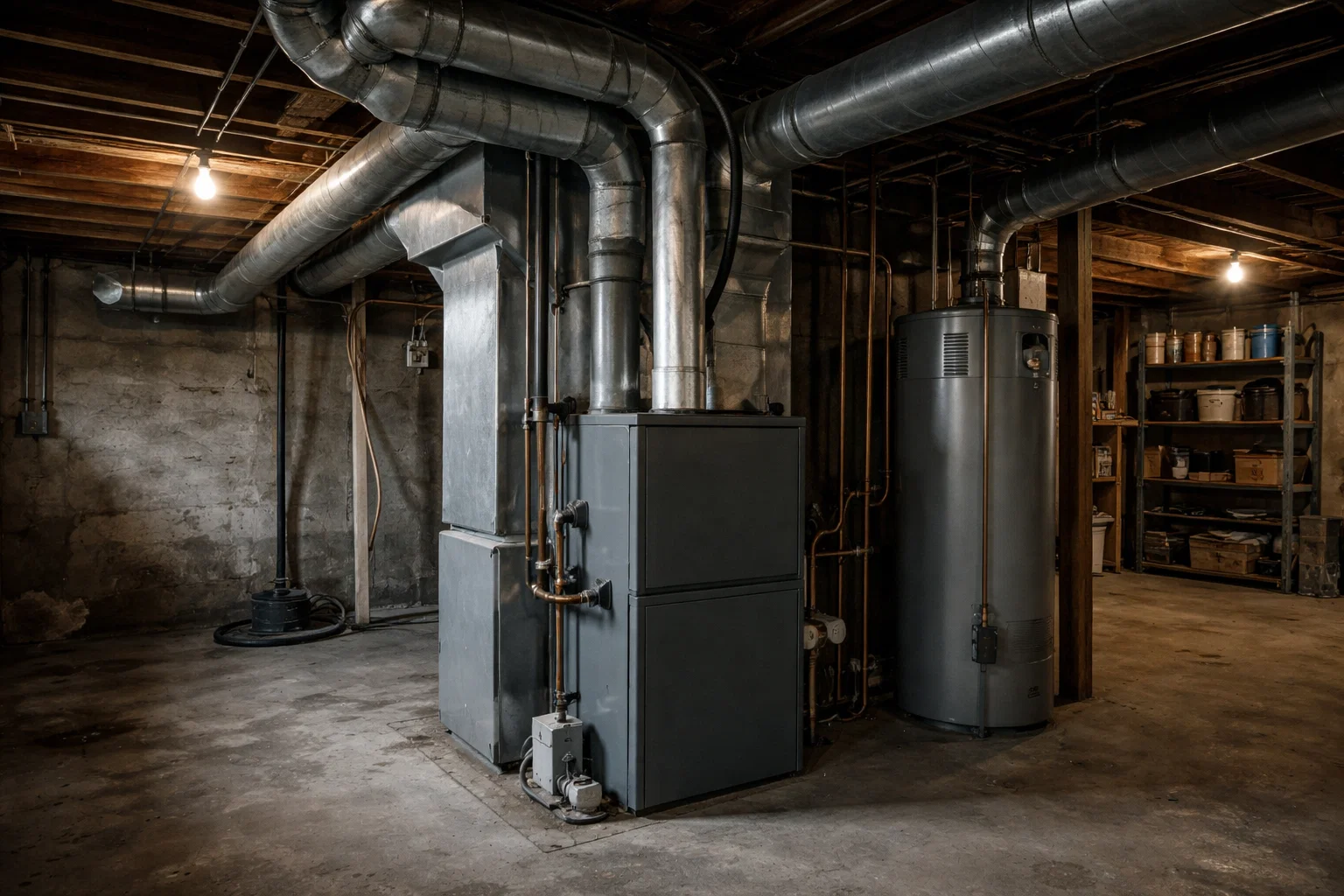
Connecticut weatherization standards are built around the reality that heating systems, distribution systems, and the building shell operate together. The field guidance dedicates extensive technical coverage to heating systems, air distribution, and the building envelope, emphasizing that uncontrolled heat loss or gain increases the demands placed on mechanical equipment .
Because heating systems respond to heat loss through walls, ceilings, floors, and air leaks, the condition of the envelope directly influences how often systems operate. Field protocols therefore prioritize identifying and reducing pathways where conditioned air escapes or outside air enters unintentionally.
Rather than beginning with equipment replacement, Connecticut weatherization practice starts with the structure itself: the boundaries separating indoor and outdoor conditions.
How Insulation Controls Heat Flow in Connecticut Homes
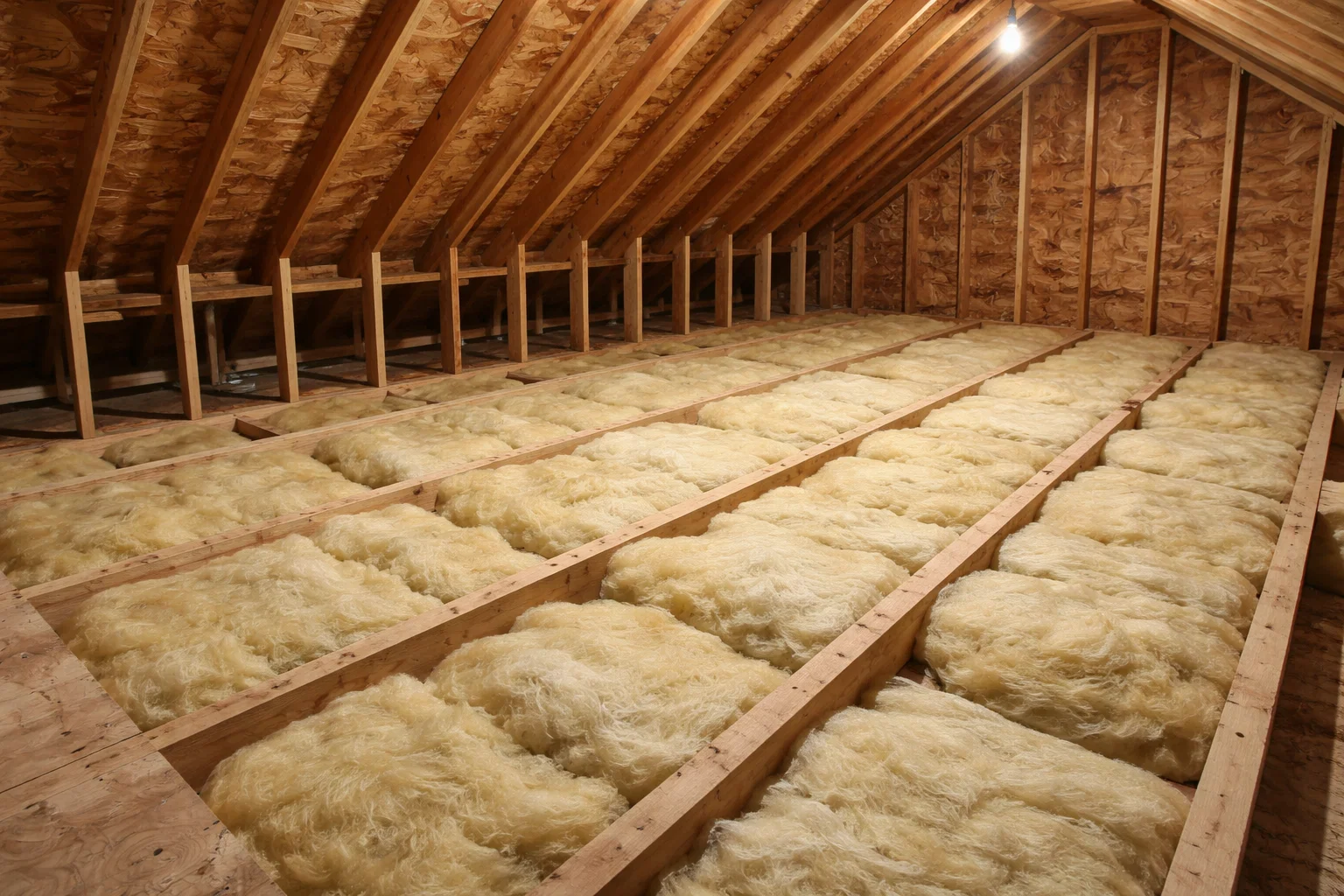
Within Connecticut’s weatherization framework, insulation is defined by its function, not by brand, material type, or marketing claims. Insulation resists the flow of heat through building assemblies, slowing the rate at which heat moves between conditioned and unconditioned spaces.
Insulation is a building-science control layer. Its role is to:
- limit heat transfer through walls, ceilings, floors, and roofs
- maintain a more stable interior temperature
- reduce exposure to exterior temperature swings
Importantly, insulation effectiveness depends on continuity. Gaps, compression, or incomplete coverage reduce its ability to resist heat flow, which is why inspection and installation quality are emphasized alongside material selection.
Air Leakage Is Common and Often Hidden in Existing Homes
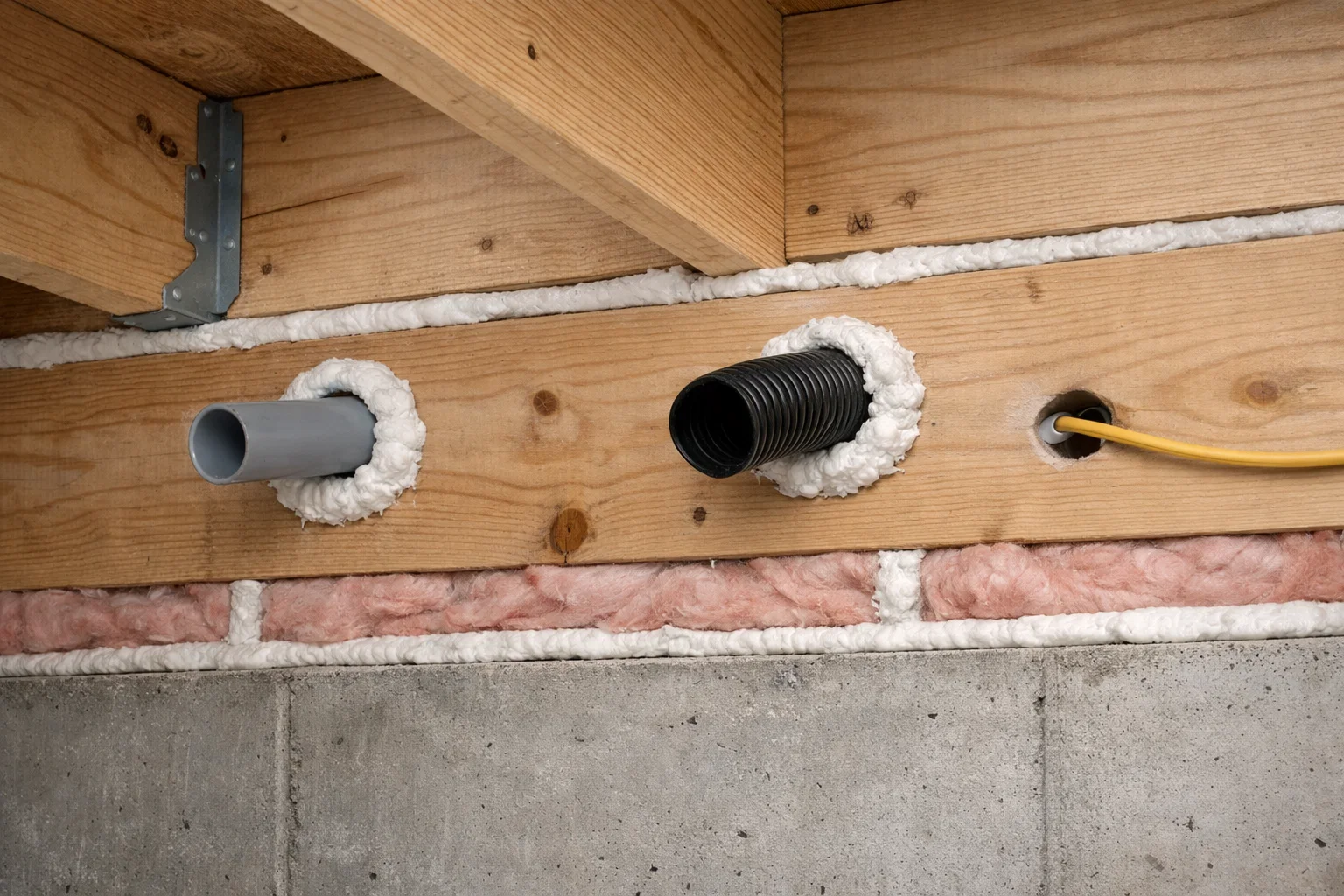
Air movement through buildings does not occur only at visible openings. Connecticut’s weatherization guidance documents air leakage pathways throughout the structure, including attics, basements, rim joists, wall cavities, ceiling penetrations, and duct connections .
Air sealing is defined as the systematic reduction of uncontrolled air leakage by closing gaps, cracks, and penetrations. The goal is not to eliminate all air movement, but to control where and how air enters and leaves the building.
Field procedures identify common leakage locations such as:
- attic bypasses and penetrations
- basement ceilings and rim joists
- plumbing and electrical openings
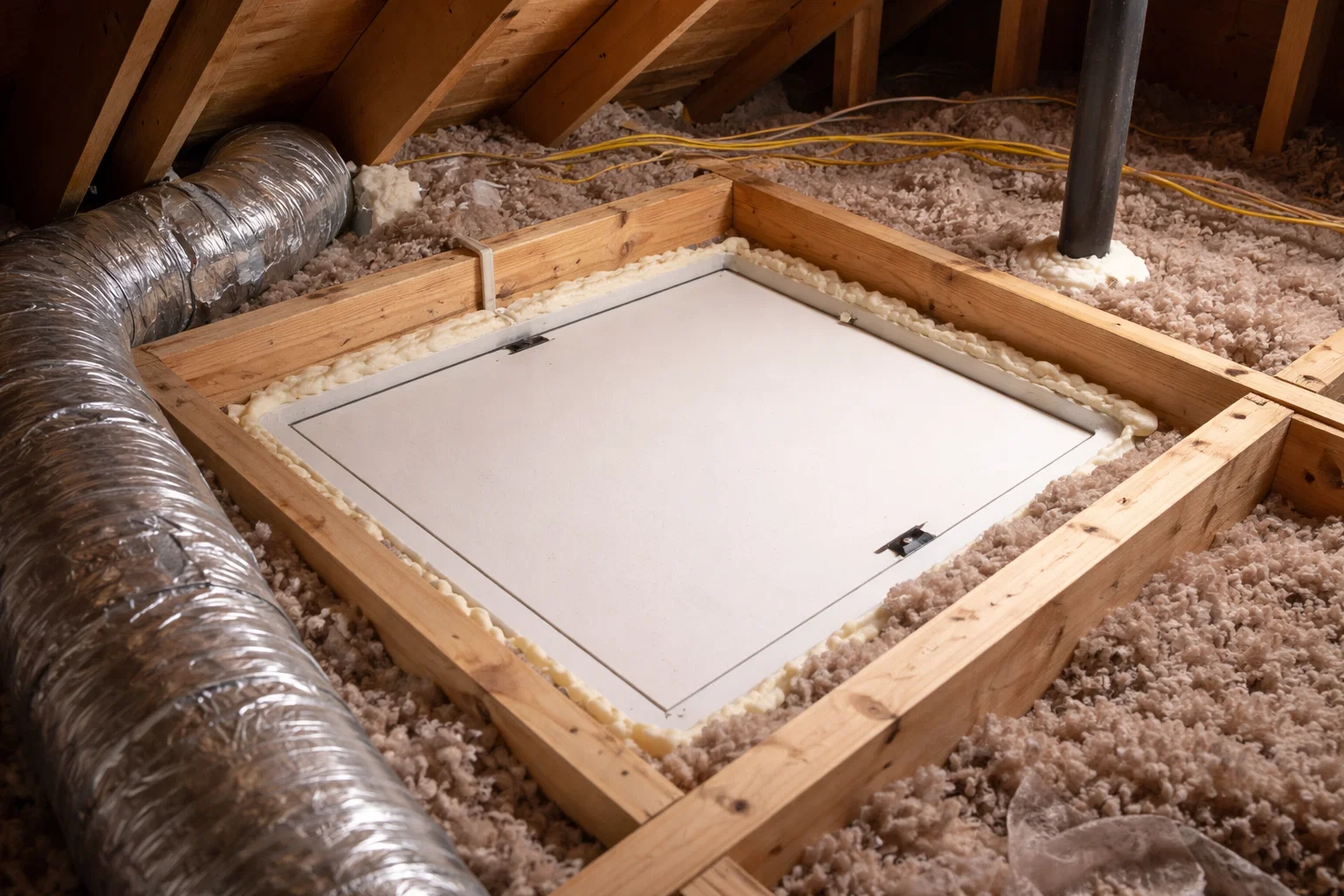
- attic hatches and access doors
- duct connections and seams
Because these pathways are typically concealed behind finishes or within framing cavities, air leakage is rarely visible to occupants or buyers. Nevertheless, it directly affects drafts, pressure imbalances, and temperature instability.
Why Air Sealing Is a Core Energy Measure in Connecticut
In Connecticut, air sealing is the most frequently installed measure and is applied in the vast majority of participating homes . On-site inspections conducted as part of the evaluation identified readily accessible air leakage opportunities in nearly every home visited. Even where air sealing had already been performed, inspectors frequently observed remaining gaps and penetrations that could still allow uncontrolled air movement .
This pattern demonstrates two important realities:
- Air leakage is pervasive in existing homes.
- Air sealing requires deliberate attention to detail to be effective.
Time constraints and inconsistent practices can result in incomplete air sealing, reinforcing why standard, quality control, and insulation and air sealing are emphasized within Connecticut’s programs .
Insulation Quality and Coverage Matter as Much as Presence
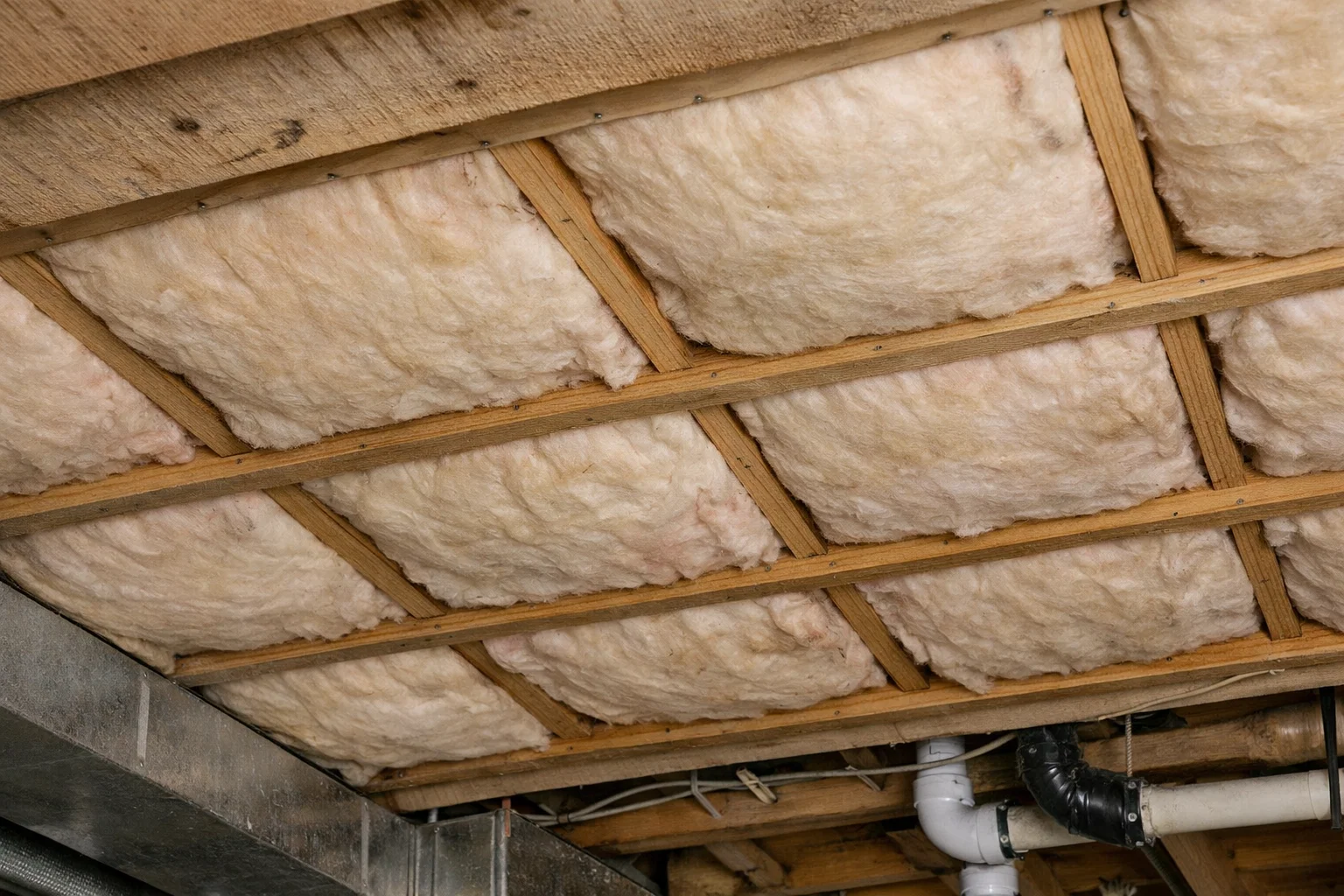
An evaluation of Connecticut homes examined insulation installations across attics, basements, rim joists, and floor assemblies. While many installations met high quality standards, others showed deficiencies such as gaps, compression, or incomplete coverage. The evaluation classified insulation quality using established grading standards, highlighting that even when insulation is present, installation quality determines its effectiveness.
Basement ceilings and rim joists were identified as areas where improvement opportunities frequently remained. This reinforces a key principle embedded in Connecticut’s field guidance: insulation must be continuous, properly installed, and integrated with air sealing to perform as intended.

The Building Envelope Operates as a Connected System
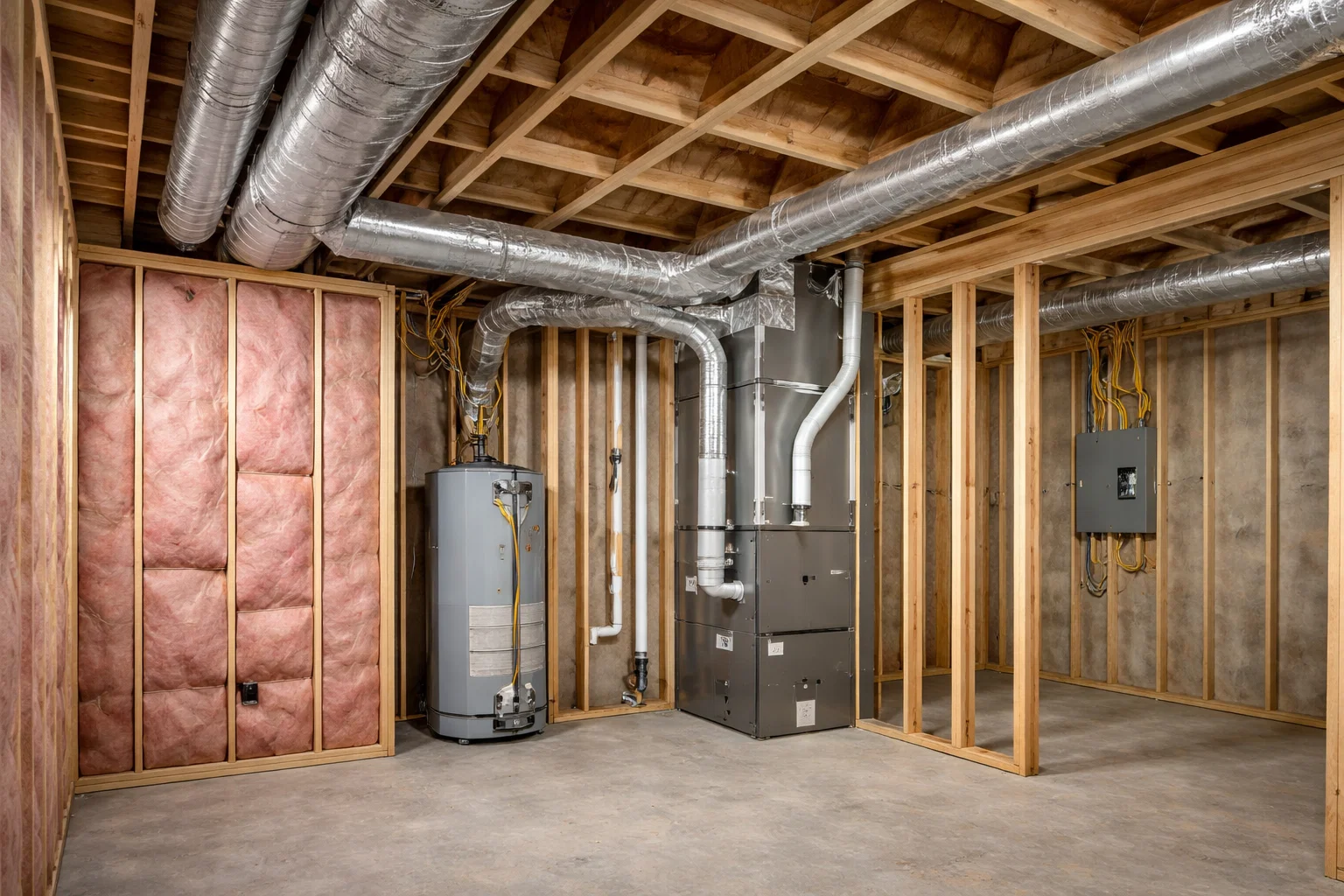
The home is an interconnected system rather than a collection of independent components. The building envelope, including walls, roofs, floors, foundations, windows, and doors, forms the thermal and air boundary separating conditioned interior spaces from the outdoors .
Air leakage through one part of the envelope can affect pressure, temperature, and moisture conditions elsewhere. For this reason, air sealing and insulation measures are sequenced and coordinated across multiple parts of the structure rather than applied in isolation.
The field guide explicitly organizes envelope work by building assemblies:
- attics and roofs
- walls
- floors and foundations
- windows and doors
This structure reflects the understanding that heat and air do not respect room boundaries. They move through the entire enclosure.

Comfort is Shaped by Temperature Stability and Air Movement
Occupant comfort is closely tied to temperature consistency and the absence of unwanted air movement. Drafts, cold surfaces, and uneven heating often trace back to insulation gaps or air leakage rather than to heating equipment malfunctions. Connecticut’s weatherization practices focus on reducing these discomfort drivers by stabilizing the thermal and air boundaries of the home.
By slowing heat flow and controlling air leakage, insulation and air sealing directly influence how stable interior conditions feel over time. This focus explains why comfort complaints are often addressed through envelope improvements before mechanical changes are considered.

Data Shows These Measures Are Widely Applicable
Data from a leading Connecticut study shows that air sealing was applied across homes of different ages, sizes, heating fuels, and ownership types, demonstrating that uncontrolled air leakage is not limited to a narrow segment of the housing stock. Similarly, insulation opportunities were identified across a wide range of homes, although uptake varied depending on factors such as tenure and access. These patterns reinforce that insulation and air sealing are broadly relevant measures rather than niche upgrades.
Why These Measures Are Prioritized Over Single Upgrades
Insulation and air sealing consistently appear before more visible or isolated improvements. This prioritization reflects their role in shaping overall building performance.
Documented findings allow the following factual statements:
- Air leakage is common and often significant in existing homes.
- Insulation effectiveness depends on proper installation and continuity.
- Envelope deficiencies increase demands on heating systems.
- Comfort problems often originate in the building shell.
Because these conditions affect the entire home, addressing them has broader impact than focusing on a single component in isolation.

How to Explain This Without Overstating
Rather than promising outcomes from making these upgrades, a safe approach to explaining these features to clients is to explain their mechanisms and observed conditions.
A clear explanation grounded in documented practice would sound like this:
“Heating systems respond to heat loss and air leakage. Insulation slows heat flow, and air sealing reduces uncontrolled air movement. Together, they help stabilize interior conditions.”
This framing aligns with how the measures are treated in statewide guidance and evaluation.

Conclusion
Insulation and air sealing are foundational measures that shape how homes perform. They influence heat flow, air movement, system operation, and occupant comfort throughout the structure. These measures are not new, but they address the basic physical pathways through which homes lose heat and admit outside air. They are foundational to the functioning of Connecticut homes.
If you want to go deeper:
- To understand how these envelope improvements shape overall comfort, read Invisible Features: The Energy Improvements That Don’t Show Up in Photos.
- If you want a simple, buyer-oriented explanation of heat pumps, see Heat Pumps in Connecticut: What Buyers Really Need to Understand.
- For help explaining these concepts in plain language, you can read The Comfort Conversation.