
How do Connecticut energy rebates restore comfort in the state’s historic housing stock?
Connecticut’s homes carry a long memory. Many were built in a time before insulation, before energy codes, before weatherization was even a concept. Their charm is undeniable, the woodwork, the history, the craftsmanship, but along with that charm comes something else many residents know too well: cold bedrooms, drafty hallways, uneven heating, and winter nights spent layering blankets in rooms that never quite warm up.
These aren’t minor inconveniences. They’re reminders of an era when homes were designed for appearance, not comfort, before airtightness, before thermal performance, before the science of keeping heat where it belongs. They are also a driving factor behind the incentives offered by EnergizeCT. In older Connecticut housing, the cold seeps through walls, floors, attics, and foundations because many of these structures were built without the insulation, sealing, and thermal continuity we take for granted today.
A warm room is more than a temperature. It is stability, health, and the feeling that a home is taking care of the people inside it.

Why Connecticut Energy Programs Focus on Home Comfort
Connecticut’s incentive work, including the CT energy programs described through the state’s implementation of federal rebates, is built to address this exact reality. These are not abstract policy tools, they are designed to help households improve the comfort of aging homes, lower energy demand, and reduce the strain caused by decades of lost heat.
When people talk about Connecticut energy rebates or broader EnergizeCT incentives, the underlying purpose is the same: giving residents a path to bring older structures closer to modern performance. Not through cosmetic updates, but through improvements that directly change how a space feels: steadier temperatures, fewer drafts, and consistent warmth across rooms.
In that sense, incentives are less about equipment and more about restoring a baseline that should have existed all along, homes that hold heat in winter and support the people living inside them.
Why Older Connecticut Homes Have Cold Rooms
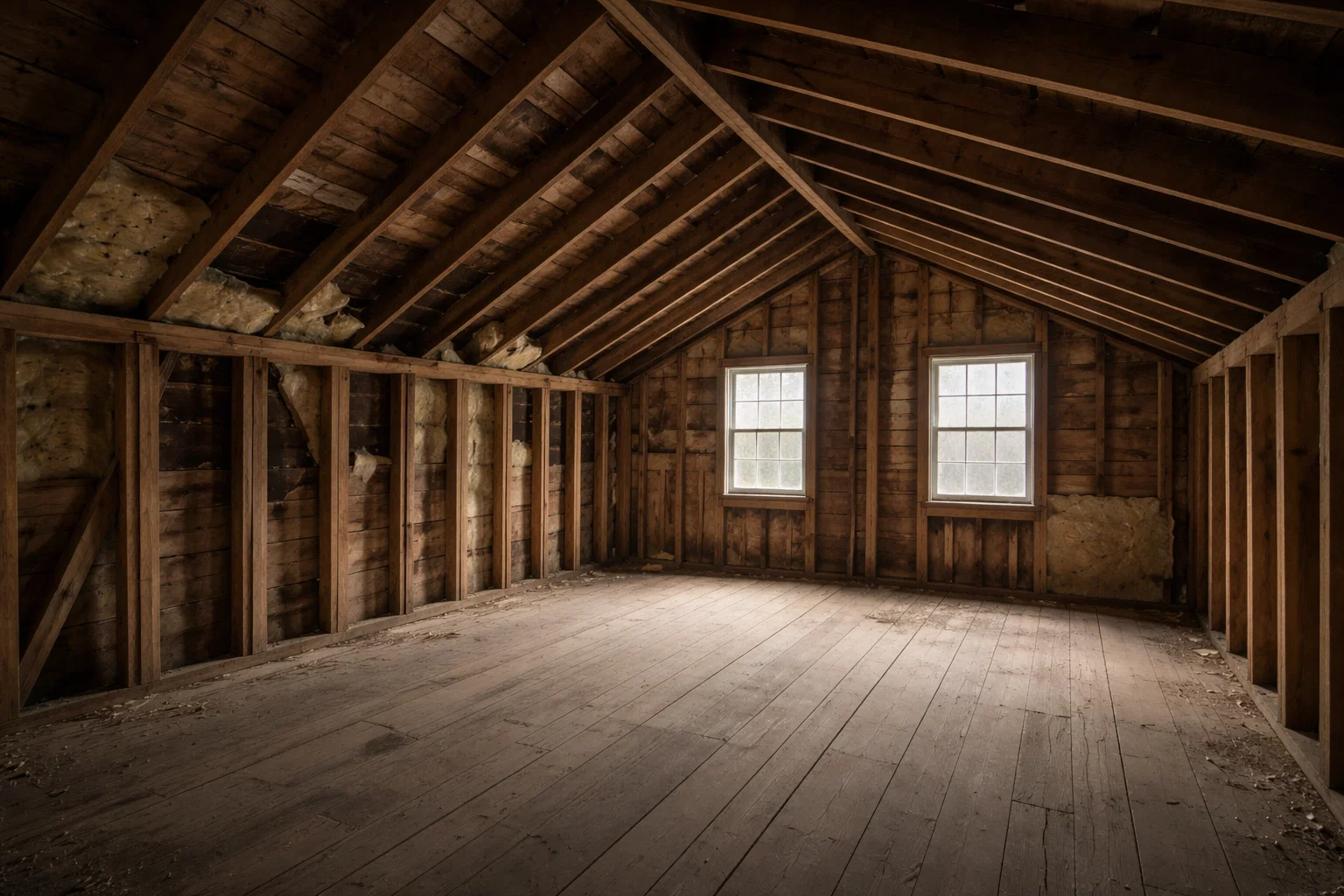
Much of Connecticut’s housing stock predates any meaningful understanding of energy efficiency. Insulation was uncommon. Attics often remained unsealed. Siding and exterior walls were built for durability, not thermal performance. Old windows leaked, aging masonry transferred cold directly indoors, and foundations allowed drafts to rise into living spaces.
This is not a story of neglect. It’s a story of time.
Homes built under different assumptions simply cannot meet the comfort needs of modern residents without help. The cold rooms in Connecticut’s older neighborhoods are artifacts of a different era’s construction logic.
Incentives, whether they support weatherization, heating improvements like a CT heat pump rebate, or future Connecticut solar incentives aligned with efficiency, find their meaning in this history. They don’t erase it; they correct for it.
Incentives as Tools for Dignity, Not Just Efficiency
When state agencies describe rebate and retrofit efforts, the language can sound technical: whole-home upgrades, building envelope improvements, measures supported by federal and state funding. But the outcome is deeply human. These investments do more than reduce energy use. They help people live in homes that finally match the rhythms of their lives.
A sealed attic means a child’s bedroom stays warm at night.
A tightened building shell means an older adult doesn’t have to choose between comfort and cost.
A better-performing heating system means the home feels stable, balanced, calm.
Through the lens of programs supported by IRA energy tax credits Connecticut households can access and related CT energy programs, incentives become a way of closing the gap between what these homes were built to do and what residents actually need from them today.
This is where comfort and dignity intersect.
A Warm Room as a Vision for Connecticut’s Future
Guidance around home energy rebates often highlights numbers: savings estimates, performance metrics, target reductions in demand. Those details matter, but they sit on top of a simpler truth:
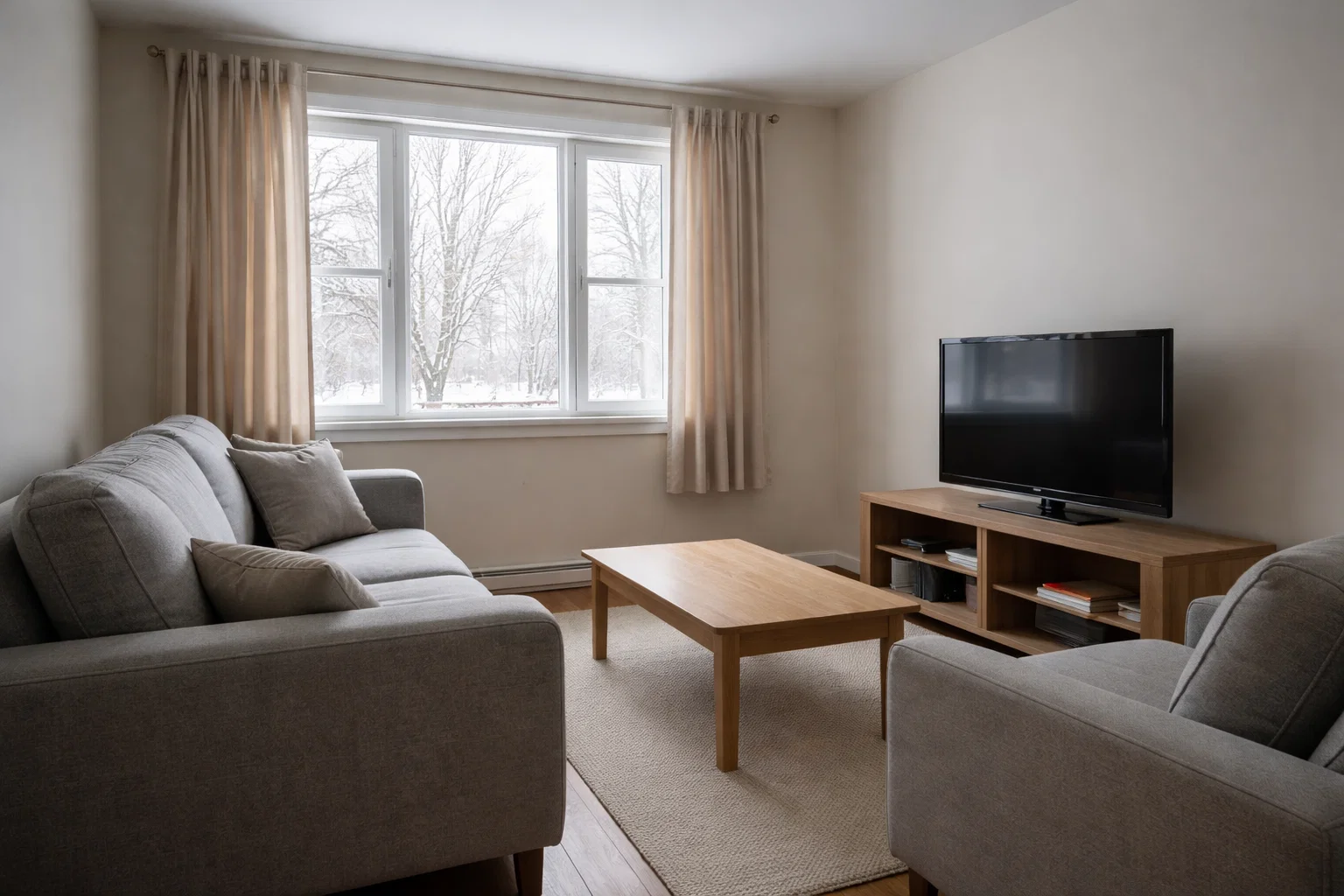
Every incentive is an invitation to create a warm room where a cold one used to be.
Not a futuristic home.
Not a perfect home.
Just a home that holds heat in winter, stays comfortable in transitional seasons, and supports the health and stability of the people who live there.
As Connecticut moves forward with rebate efforts and pairs them with federal support, the vision is not just technical modernization, it is livability. The work acknowledges that comfort is not a luxury. It is a measure of quality of life.
And it is achievable, even in the oldest Connecticut homes.

Frequently Asked Questions About Connecticut Energy Rebates
What are Connecticut energy rebates designed to do?
Connecticut energy rebates are designed to improve home comfort, reduce heat loss, and modernize older housing through insulation, air sealing, and heating upgrades.
Do EnergizeCT incentives apply to older homes?
Yes. EnergizeCT incentives are specifically structured to address comfort and performance issues common in older Connecticut housing stock.
Are Connecticut energy rebates only about efficiency?
No. While efficiency is a goal, many programs prioritize comfort, health, and livability by stabilizing indoor temperatures and reducing drafts.
This Is What Connecticut Energy Rebates Make Possible
When we talk about Connecticut energy rebates, EnergizeCT incentives, or any of the broader CT energy programs aimed at improving older housing, we are talking about:
- restoring comfort
- correcting historic inefficiencies
- helping older homes meet modern needs
- relieving the physical and financial pressure caused by preventable heat loss
- giving families the experience of a truly livable space
Not through grand reinventions, but through thoughtful improvements that respect the character of these homes while finally aligning them with the comfort their residents deserve.
If you want to go deeper:
- For a look at how federal programs are shaping Connecticut upgrades, read What the M-Power 3.0 Briefing Means for Connecticut’s Energy Equity and Housing.
- To understand how large-scale incentives influence healthier, safer homes, see EnergizeCT’s Bigger Purpose.
- If you want to learn how these incentives connect to actual home features, read Why Insulation and Air Sealing Matter.