When buyers encounter a home in Connecticut equipped with a heat pump, the technology itself is often familiar only in name. Many people recognize the term, yet lack a clear understanding of what the system does, how it differs from other heating and cooling equipment, or why it appears with increasing frequency in residential properties across the state.
The confusion is not surprising. Heat pumps in Connecticut frequently discussed in the context of incentives, electrification strategies, or future energy planning, rather than in plain descriptions of how they function inside a home. As a result, buyers are left with fragmented impressions instead of a coherent picture.
This guide focuses on what heat pumps are, how they operate, and how they fit into the way Connecticut homes are heated and cooled, using only documented, Connecticut-specific information. No assumptions. No projections. No claims about outcomes.
Heat Pumps Operate by Moving Heat, Not Creating It
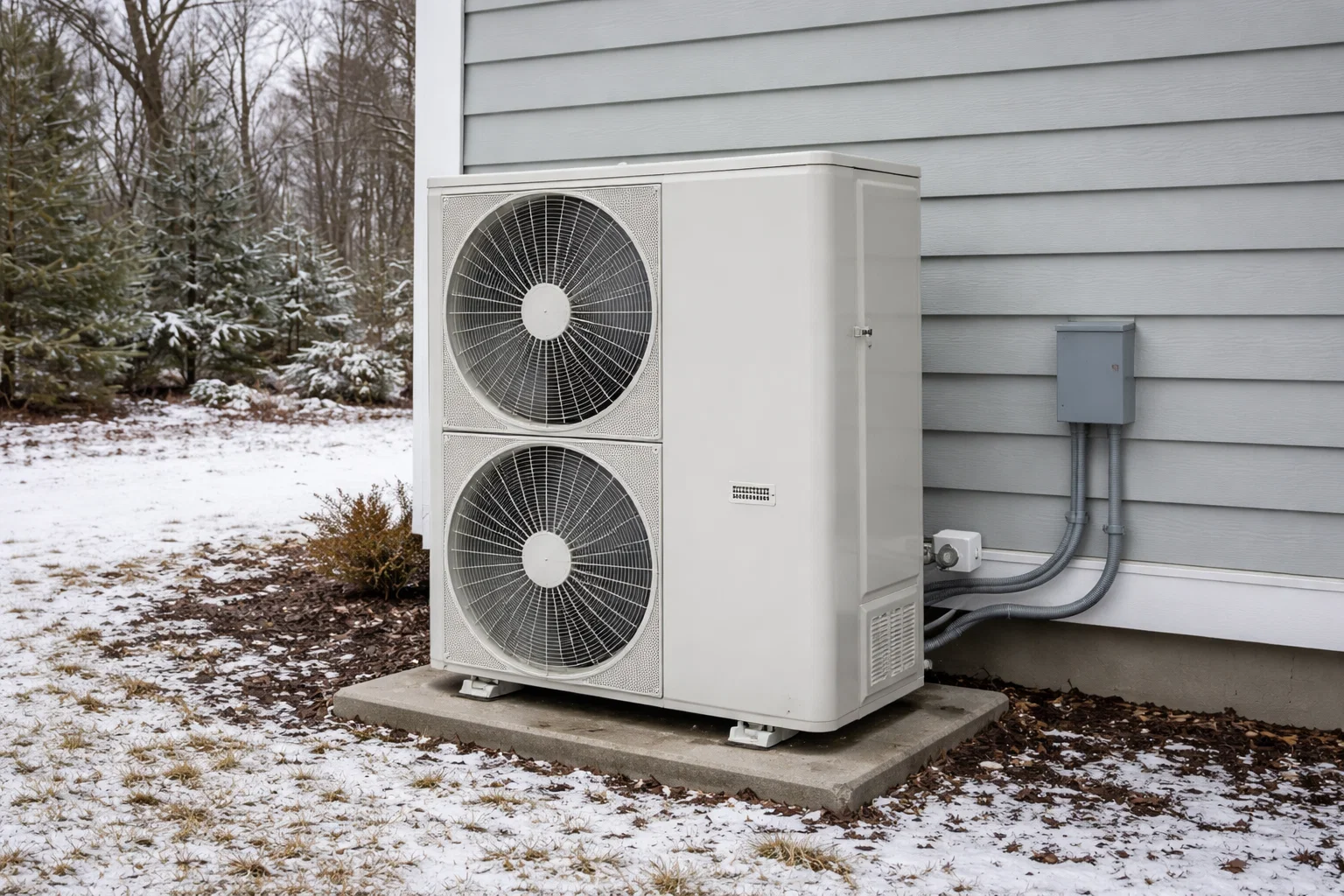
At their most basic level, heat pump systems function by transferring heat from one location to another. Unlike combustion-based heating systems or electric resistance equipment, they do not generate heat as their primary function. Instead, they exploit the natural movement of heat from warmer areas to cooler ones. This operating principle is clearly described in the U.S. Department of Energy’s overview of heat pump systems.
In heating mode, a heat pump extracts heat from an external source, most commonly outdoor air, though in some cases the ground, and transfers that heat indoors. In cooling mode, the process reverses, and heat is removed from inside the home and released outdoors. This operating principle applies regardless of system size or configuration.
This distinction is foundational. It explains why heat pumps are described as a single technology capable of both heating and cooling, and why they are treated differently from furnaces, boilers, or standalone air conditioners in state planning and analysis.
The Core Components of a Heat Pump System
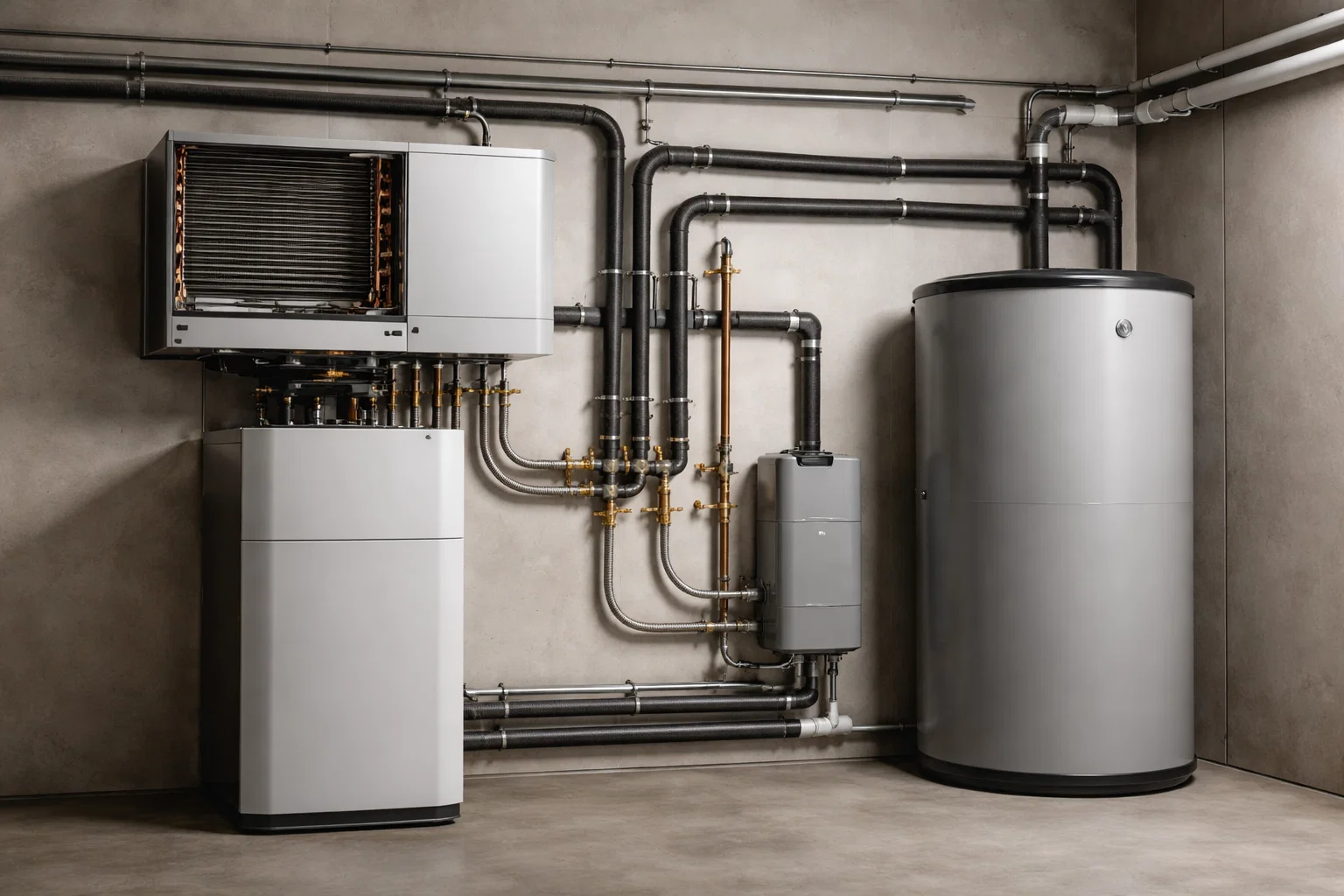
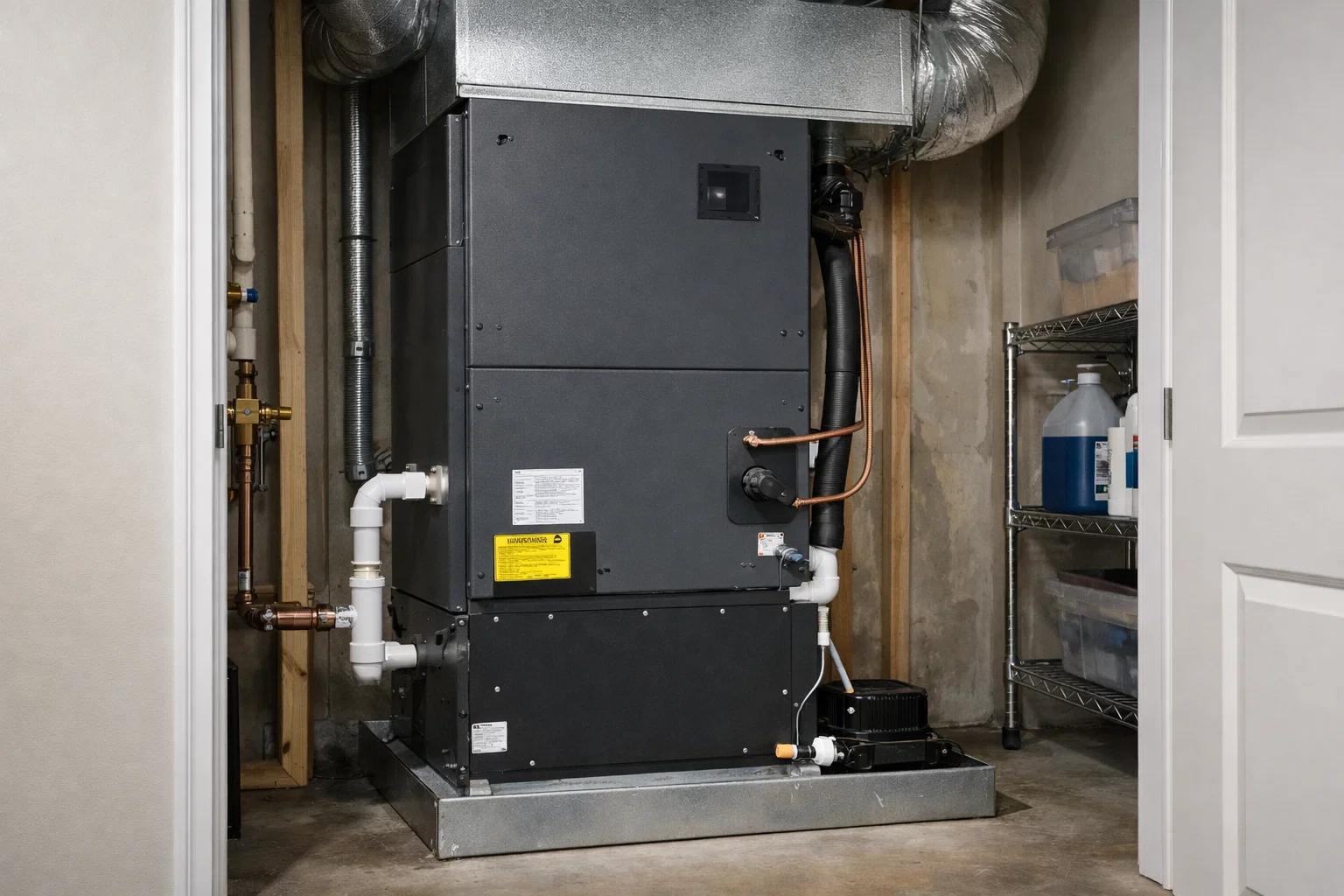
Heat pumps rely on a closed cycle involving several core components working together. These components include a refrigerant, an evaporator, a compressor, a condenser, and an expansion device. The refrigerant absorbs and releases heat as it changes state between liquid and gas.
The evaporator allows the refrigerant to absorb heat from its source. The compressor increases the pressure and temperature of the refrigerant. The condenser releases heat to the target space, either indoors or outdoors depending on operating mode. The expansion device reduces pressure so the cycle can begin again.
While the mechanical details are often hidden from view, this cycle is the same mechanism that allows the system to operate year-round. From a buyer’s perspective, understanding that the system is constantly transferring heat rather than producing it helps explain how one piece of equipment can replace multiple traditional systems.
One System Providing Both Heating and Cooling
A defining feature of heat pumps is their ability to provide both heating and cooling using the same equipment. This dual function is not an added feature layered on top of the system; it is inherent to how the technology operates.
In Connecticut housing, this means a heat pump may fully replace an existing heating system, partially replace it, or operate alongside a secondary system. Some installations are designed to serve as the sole source of heating and cooling. Others are configured to supplement existing equipment or to handle cooling and milder heating conditions while another system provides backup during colder periods.
The flexibility of these configurations is one reason heat pumps appear across a wide range of housing types in the state, from single-family homes to multifamily buildings. The presence of a heat pump does not imply a single standardized setup. It reflects a design decision tailored to the building and its existing systems.
Types of Heat Pumps Commonly Used in Connecticut
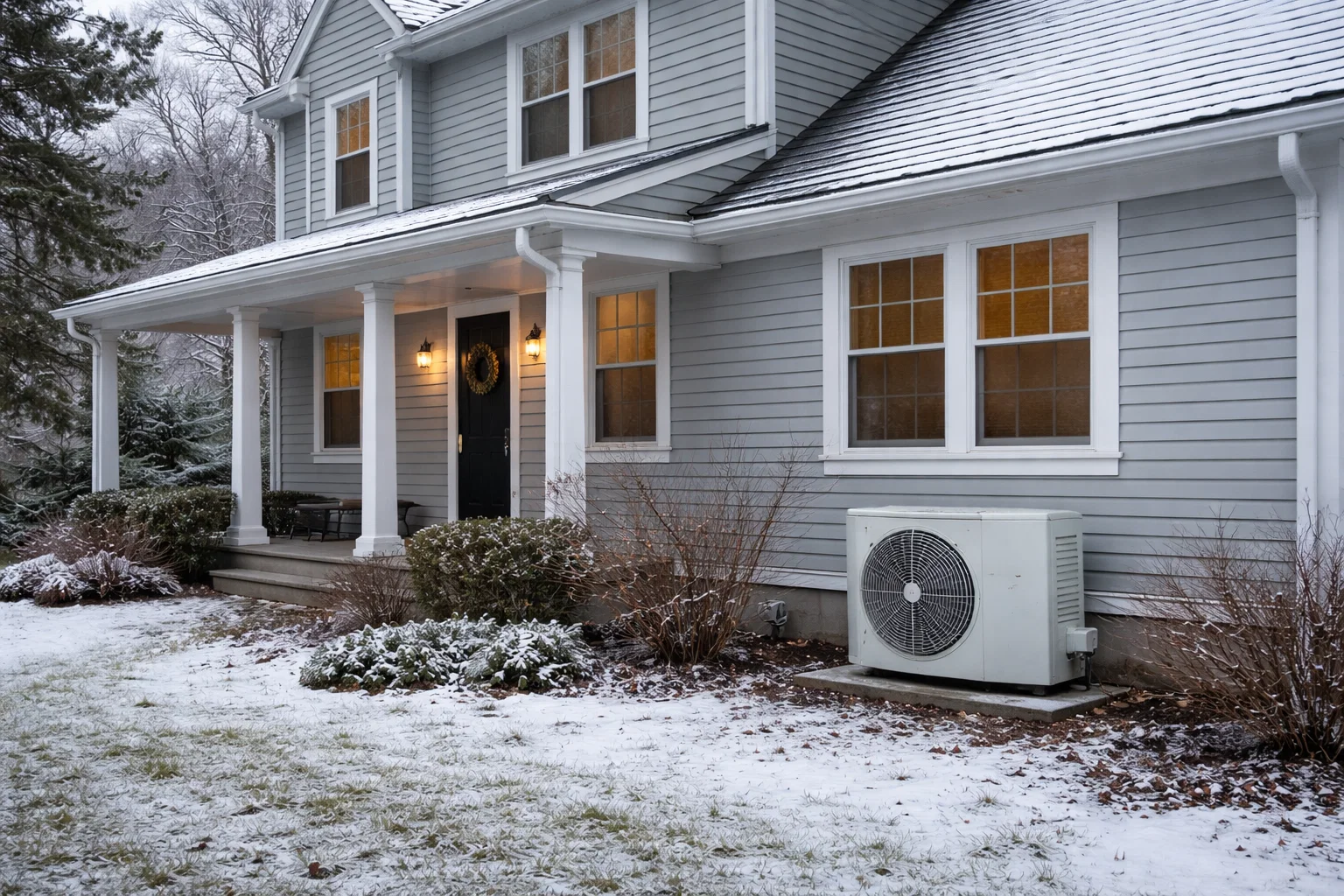
Within Connecticut’s housing stock, air-source heat pumps are the most common type discussed and installed. These systems draw heat from outdoor air and are widely used because they can be installed in many existing buildings without extensive site modification.
Ground-source heat pump systems, which draw heat from the earth, are also part of the broader category, though they are less commonly installed due to higher upfront complexity and cost. Variations such as ducted, ductless, and air-to-water configurations exist within these categories. The choice of system type depends on building design, existing distribution systems, space constraints, and intended use. State documentation emphasizes that no single configuration is universally appropriate; suitability depends on the specific building and its context.

How Heat Pumps Interact With Indoor Conditions
Heat pumps influence indoor conditions primarily through their role in temperature control and air circulation. As they operate, air is moved through the system as part of transferring heat. This means the system contributes to how air is distributed throughout the home while maintaining temperature.
Comfort inside a home is shaped by multiple interacting factors, including temperature consistency, air movement, and ventilation. Heat pumps participate in this system by controlling heating and cooling cycles and circulating air as part of normal operation.
Importantly, this interaction does not guarantee uniform comfort outcomes. The experience of occupants depends on the design of the system, how it is installed, how it interacts with the building envelope, and how it is operated. State analyses repeatedly emphasize that performance perceptions are shaped by these factors rather than by the technology alone.
Heating and Cooling as Central Home Systems
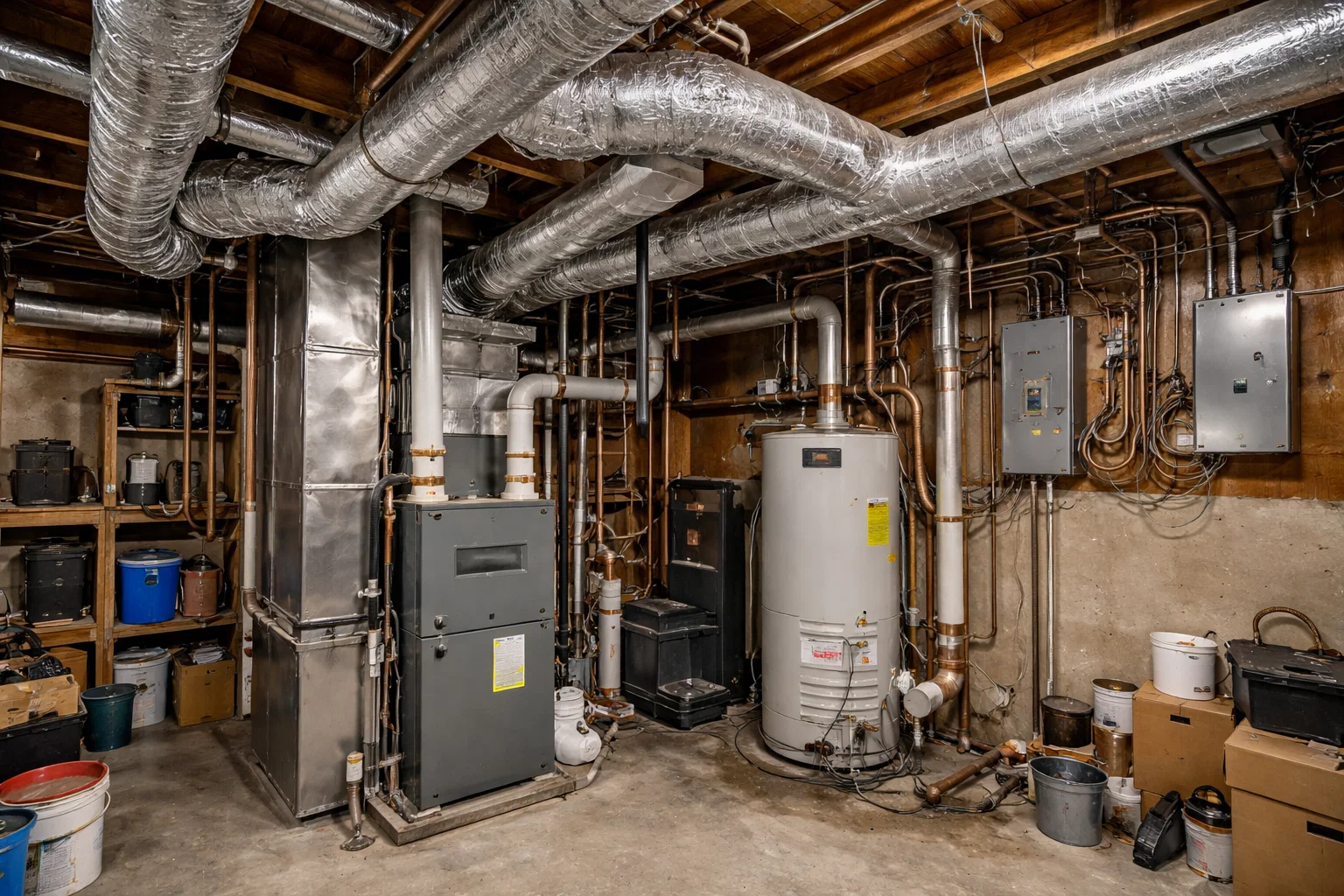
In residential buildings, heating and cooling systems represent one of the most significant categories of energy use. Because of this, any system responsible for these functions plays a central role in how the home operates day to day.
A heat pump, by virtue of handling both heating and cooling, sits at the center of this category. This does not mean it determines costs or outcomes on its own, but it does mean that it governs a major functional aspect of the home. For buyers, this context matters. Understanding that the system they are looking at controls the largest operational function of the home provides clarity without requiring technical detail.

Adoption of Heat Pumps in Connecticut Homes
State data shows that tens of thousands of Connecticut households have installed heat pumps in recent years, often through programs administered by utilities. These installations include both space-heating systems and heat pump water heaters. The scale of adoption reflects policy priorities as well as homeowner participation.
Heat pumps are a staple component of long-term energy strategies, which explains why they appear with increasing frequency in residential properties. At the same time, adoption is not uniform. Uptake varies by housing type, ownership structure, and perceived barriers. This uneven adoption pattern reinforces the importance of clear, factual explanations when buyers encounter these systems.
Common Barriers and Buyer Perceptions
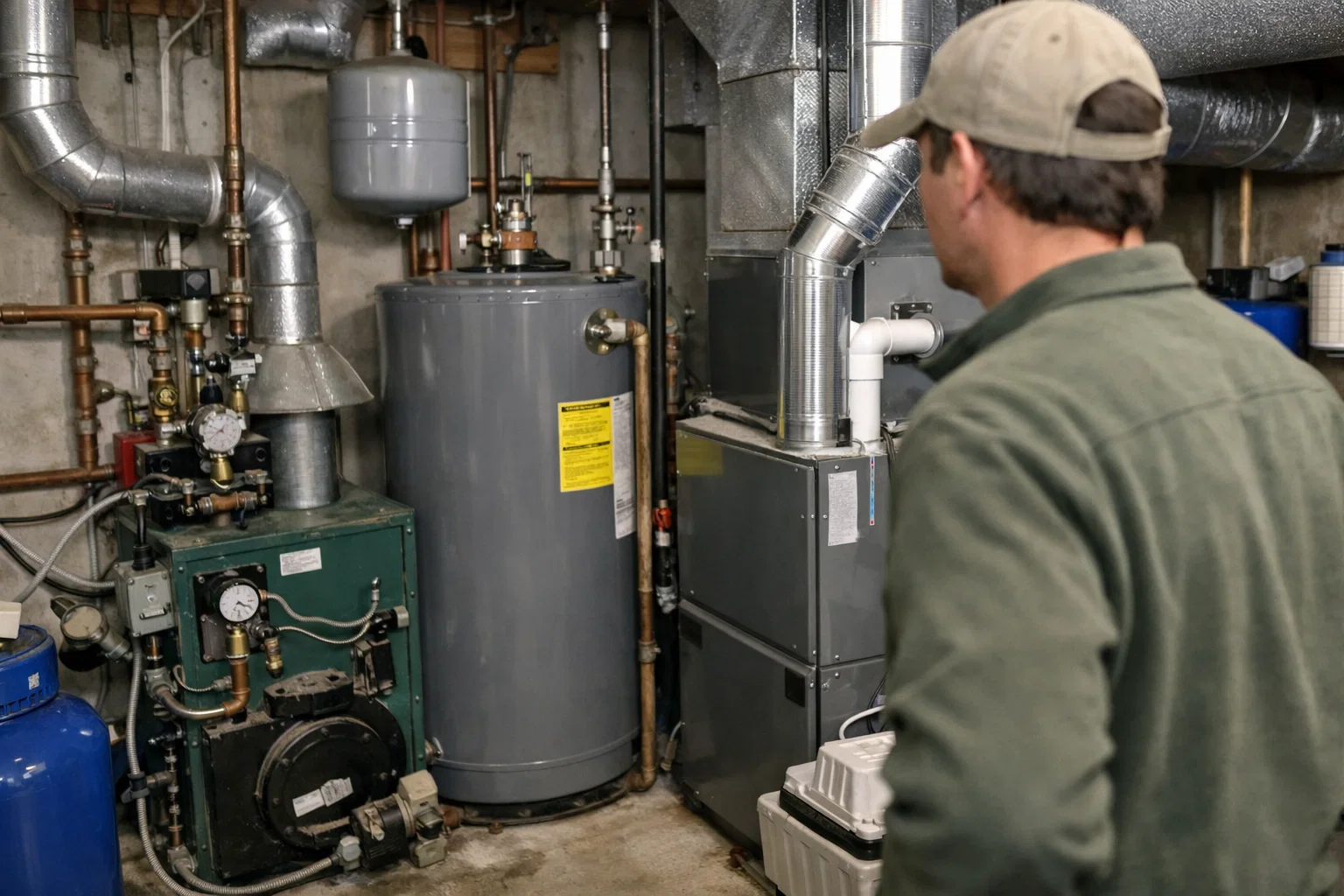
State market research identifies several barriers that affect how heat pumps are perceived and adopted. These include limited familiarity with the technology, concerns about upfront costs, questions about performance in cold weather, and uncertainty about operating costs. Surveys show that a majority of residents report being only somewhat familiar or not familiar at all with heat pumps. This lack of familiarity often shapes buyer reactions more than the technical characteristics of the system itself.
Installer perspectives also vary. While many contractors report positive experiences and growing demand, skepticism remains in some segments, particularly around whole-home applications and cold-weather performance. These perspectives influence how systems are presented to buyers during real estate transactions.
Reliability, Maintenance, and Service Considerations
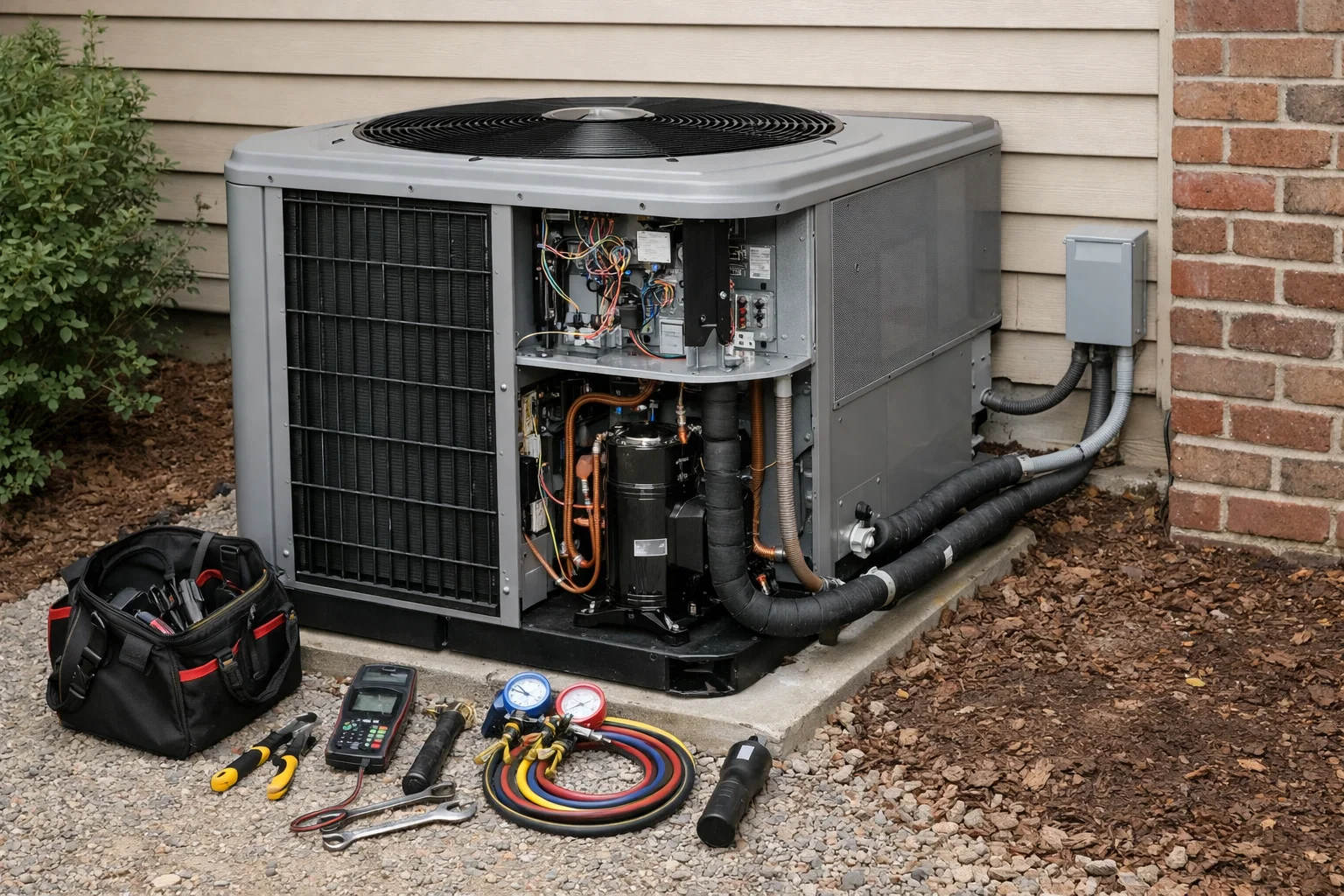
Data collected from heat pump users in Connecticut shows that a portion of households report service or repair visits after installation. Many of these visits are routine maintenance or annual tune-ups rather than responses to system failures. When issues are reported, they most commonly relate to insufficient heating or cooling rather than complete system failure. This aligns with the broader finding that system design, installation quality, and user expectations all play a role in how systems are perceived.
From an explanatory standpoint, this information supports a neutral framing: heat pumps are mechanical systems that require maintenance and occasional service, like any other heating or cooling equipment.
Grid and Infrastructure Context
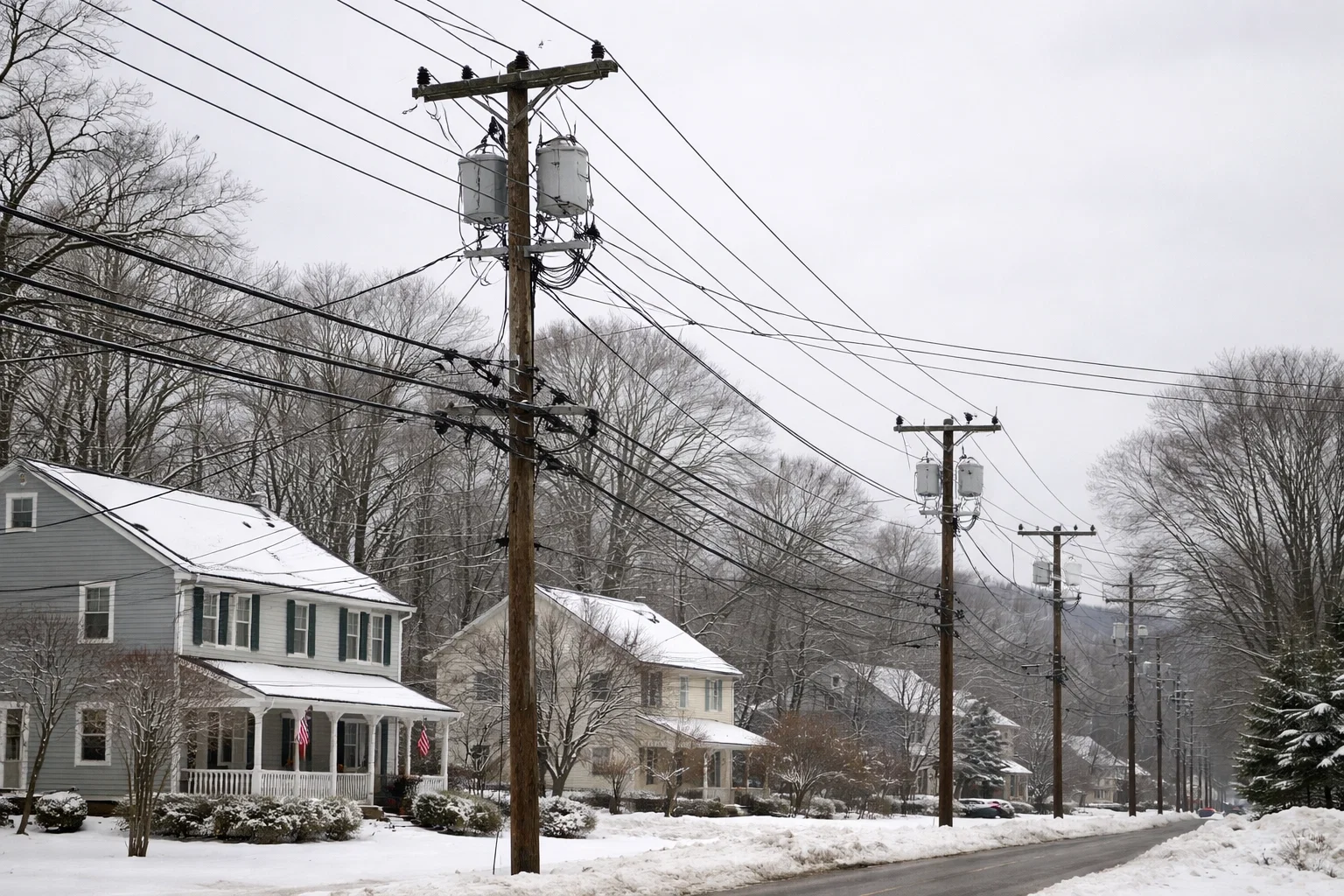
State analyses also examine how widespread heat pump adoption interacts with the electric grid. Projections indicate that increased electrification of heating could contribute to higher winter electricity demand and a shift in peak load timing.
Importantly, these projections are presented with caution. Heat pumps are identified as one factor among many influencing future grid conditions, alongside transportation electrification, climate patterns, and broader energy use trends. This context explains why heat pumps are discussed not only as household equipment but also as part of larger planning conversations. For buyers, it reinforces that these systems exist within a broader infrastructure environment, not in isolation.
How to Present a Heat Pump to Buyers Without Making Claims
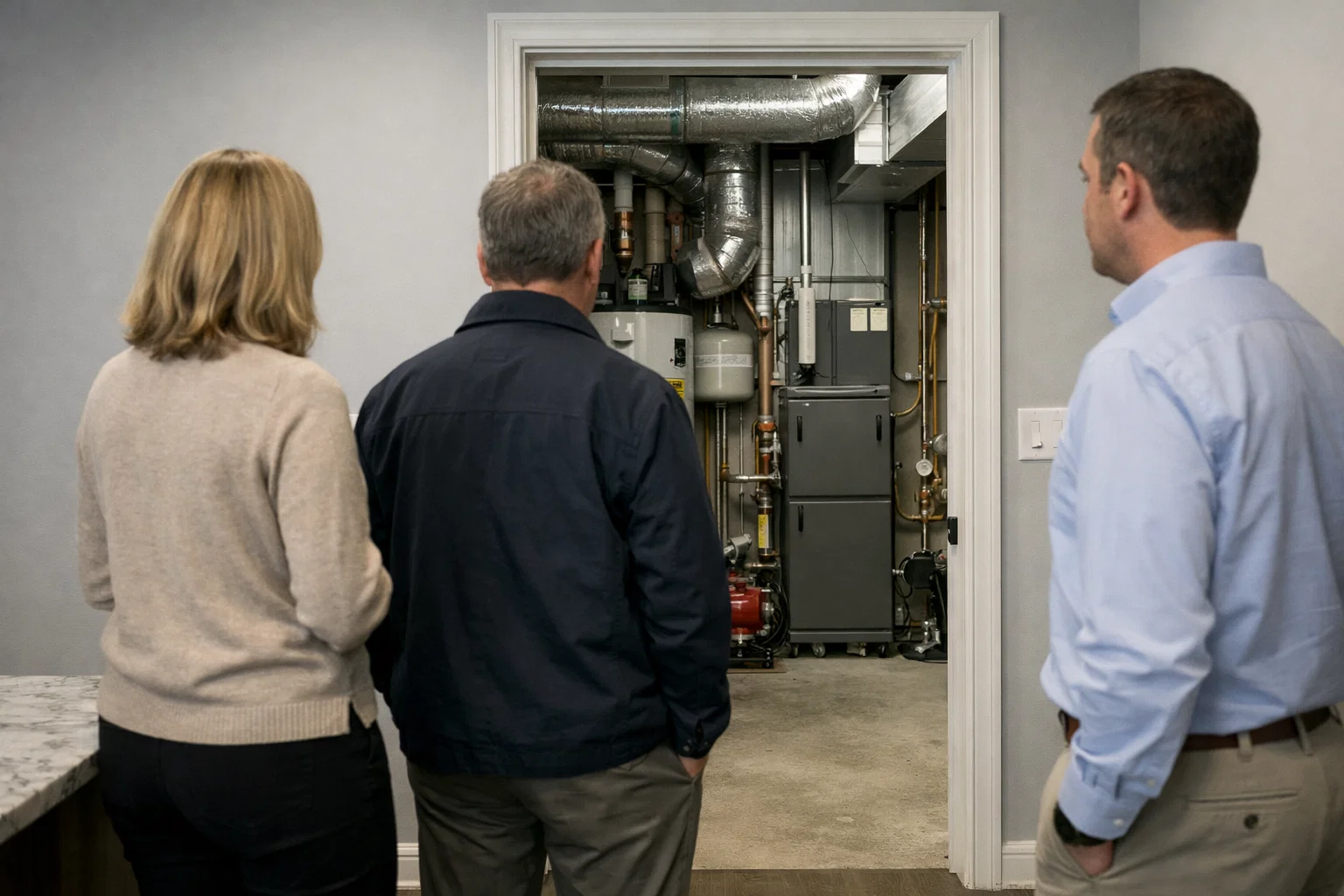
The most accurate way to explain a heat pump during a showing is to focus on structure and function rather than outcomes.
A factual explanation can include the following points:
- The system moves heat rather than creating it
- It can provide both heating and cooling
- It may fully or partially replace other systems
- It influences indoor temperature and air movement
- It is a central component of how the home operates
None of these statements imply savings, performance guarantees, or value changes. They simply describe what the system does and why it matters.

The Bottom Line
Heat pumps in Connecticut homes are not experimental or mysterious technologies. They are well-documented systems with defined operating principles, multiple configurations, and a growing presence in the state’s housing stock.
They move heat rather than generate it.
They provide heating and cooling in one system.
They influence indoor temperature and air circulation.
They sit at the center of residential heating and cooling functions.
For buyers, understanding these fundamentals is more useful than speculation. And for professionals explaining these homes, staying grounded in documented facts is the most reliable approach.
If you want to go deeper:
- To see how a heat pump interacts with a home’s envelope, read Why Insulation and Air Sealing Matter More Than Any Single Upgrade.
- If you want to understand the hidden elements buyers feel but rarely notice, explore Invisible Features.
- For insight into how documented features show up during valuation, see How Energy Features Affect Home Value in Connecticut.