
Connecticut energy incentives are often reduced to a list of rebates, upgrades, and technical requirements. But at their core, Connecticut energy rebates are tools for creating healthier housing, lowering long-standing energy burdens, and making the state’s older homes safer and more affordable. In a place where pre-1940 housing is common, these incentives matter not just for efficiency, but for equity. Connecticut energy rebates and EnergizeCT incentives focus on weatherization, appliance upgrades, and whole-home improvements that reduce energy burden and improve health outcomes.
For Connecticut real estate professionals, understanding CT energy programs is no longer optional. These programs directly shape the comfort, affordability, and long-term health of the homes their clients live in.

How Connecticut Energy Rebates Improve Health
Many CT households live with outdated appliances and equipment that quietly increase their monthly costs. Small upgrades offered through EnergizeCT incentives are often the first step toward stabilizing a family’s energy expenses.
The Residential Thermostat Rebate is one example of how Connecticut energy rebates improve comfort while lowering costs. Smarter thermostats reduce unnecessary heating cycles in homes that already struggle with drafts, poor insulation, and aging systems.
The Fridge & Freezer Recycling Rebate removes outdated appliances that add hundreds of dollars a year in wasted electricity. Eliminating these hidden cost drivers is one of the fastest ways for households to reduce energy burden without major upgrades.
These aren’t small perks. They’re foundational pieces of CT energy programs designed to improve health, affordability, and living conditions.

Weatherization and Energy Equity in Connecticut
The entry point to nearly all EnergizeCT incentives is the Home Energy Solutions (HES) evaluation.
HES is more than an audit: it’s the core of Connecticut energy programs aimed at weatherization, comfort, and indoor air quality. Technicians measure air leakage, identify heat loss pathways, and assess insulation and ventilation issues that often affect EJ communities the most.
For income-eligible households, the program removes financial barriers entirely. And because HES unlocks deeper rebates, including incentives for heat pumps, insulation, and ventilation upgrades, it is the central mechanism through which connecticut energy rebates actually reach the homeowners who need them most.

Weatherization and Energy Equity in Connecticut
State incentives become even more impactful when paired with federal support. The IRA Energy Tax Credits Connecticut homeowners can access offer long-term savings on clean-energy technologies, electrical upgrades, and whole-home improvements. When stacked with EnergizeCT incentives, they reduce the upfront cost of improvements significantly.
While this article is not focused on HVAC, the existence of the CT heat pump rebate matters: it demonstrates how CT energy programs increasingly support whole-home solutions that balance comfort, cost, and sustainability.
Even federal guidance reinforces this. The DOE’s Retroactivity Fact Sheet clarifies that certain upgrades may qualify retroactively, removing the fear of acting “too early.”
Together, these resources make the path toward healthier, more affordable homes more accessible than ever.
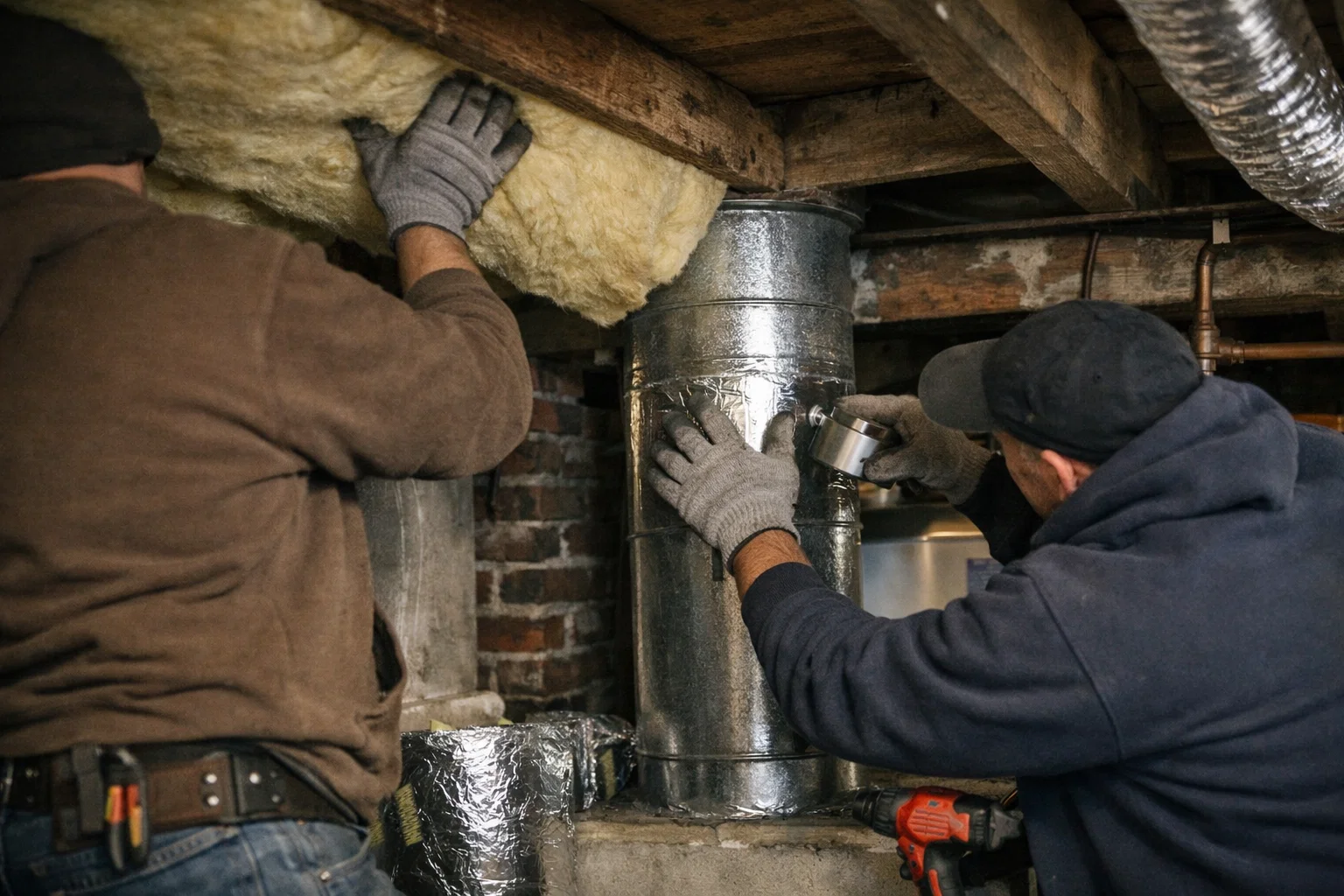
Retrofitting as a Tool of Fairness
Research consistently shows that retrofit investments deliver non-energy benefits that matter most in older housing. Retrofitting:
- reduces asthma triggers
- stabilizes temperatures
- lowers monthly costs
- improves indoor air
- protects elderly residents
This aligns perfectly with the intent of Connecticut energy programs: to correct decades of underinvestment in EJ communities and give every household access to healthy, affordable housing.

Why This Matters for Real Estate Professionals
Agents and brokers routinely see the indicators of energy inequity: drafty rooms, mold, outdated appliances, and erratic heating systems. Understanding EnergizeCT incentives allows real estate professionals to:
- connect clients with meaningful Connecticut energy rebates
- recommend HES to uncover hidden inefficiencies
- position retrofits as a value-add for buyers and sellers
- explain how federal IRA energy tax credits align with state programs
- help homeowners make improvements that reduce long-term costs
Real estate becomes a driver of healthier communities when agents know how to navigate these programs.

Frequently Asked Questions About Connecticut Energy Rebates
What are Connecticut energy rebates designed to address?
Connecticut energy rebates are designed to reduce energy burden, improve indoor comfort, and support healthier housing, especially in older homes.
What role does EnergizeCT play in energy equity?
EnergizeCT administers incentives that prioritize weatherization, appliance upgrades, and retrofits for income-eligible households.
How do federal IRA energy tax credits work with CT energy programs?
Federal IRA tax credits can be combined with EnergizeCT incentives to lower upfront costs for home energy improvements.
A More Equitable Connecticut Begins With Better Homes
Whether it’s HES, thermostat rebates, appliance recycling, federal incentives, or retrofits, CT energy programs all point toward the same goal: fairness. They make homes safer, healthier, and more affordable, especially in communities that have borne the weight of high energy costs for decades.
Every home that becomes more efficient brings Connecticut closer to a future where comfort and safety aren’t privileges: they’re standards.
If you want to go deeper:
- For a program that shapes household-level comfort, see The Quiet Power of a Warm Room.
- To understand how statewide programs influence policy direction, read What the M=Power 3.0 Briefing Means for Connecticut.
- If you want to see how statewide programs intersect with material reuse and waste reduction, explore The Material Memory of a Connecticut Home.