Have you ever wondered what to take account during a showing when you want to explain energy features to buyers?
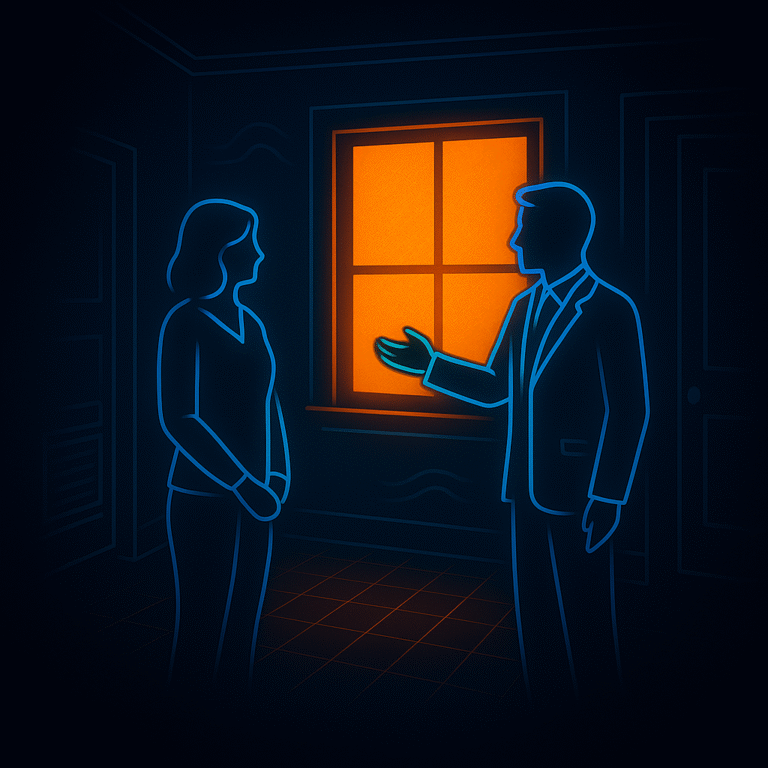
There’s a moment in almost every showing when the buyer stops walking.
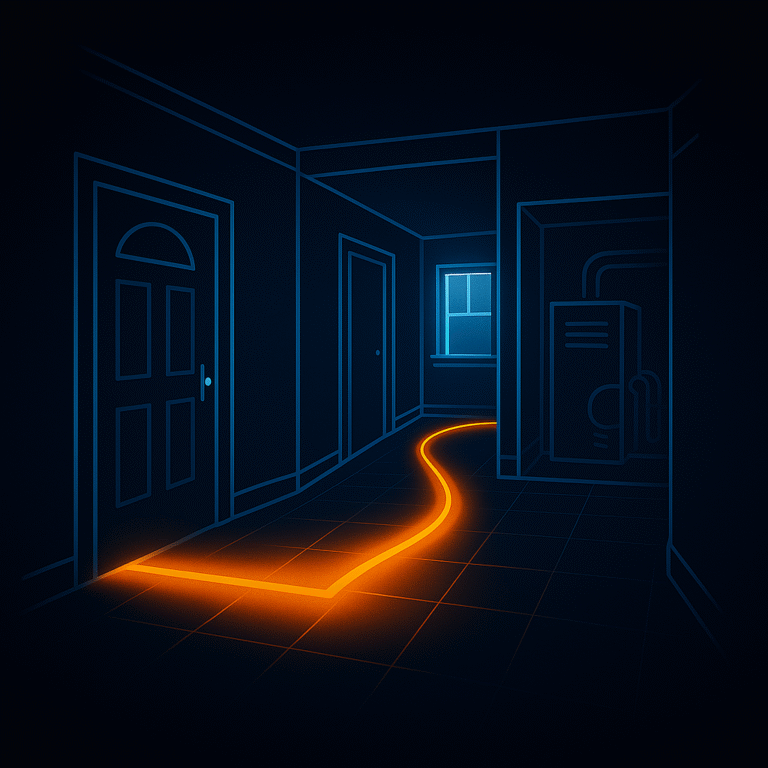
They’re not reacting to the countertops or the floors. They’re standing in the hallway, one hand on the wall, eyes drifting toward the mechanical closet. It’s quiet. They haven’t asked anything yet, but you can feel the questions forming.
This is where energy anxiety lives.
Not in spreadsheets.
Not in efficiency ratings.
But in that pause, when a buyer realizes they may be inheriting systems they don’t understand.
And most of the time, they don’t.
The National Association of Realtors (NAR) recently noted that buyers are increasingly drawn to energy-efficient homes. This article will detail some basic buyer reactions to energy features.

Confusion Doesn’t Look Like Confusion
Buyers almost never say, “I don’t understand this system.”
They don’t ask about compressors or cycles or configurations. They hesitate. They go quiet.
What they’re really comparing is unfamiliar systems to familiar ones. A heat pump doesn’t look like the furnace they grew up with. Solar panels don’t behave like a monthly utility bill. Even silence around energy bills can feel like a warning sign.
The confusion isn’t because the systems are inherently complicated.
It’s because no one has helped them orient what they’re seeing.
When buyers feel uncertain, they don’t assume the house is bad. They assume they are missing something.
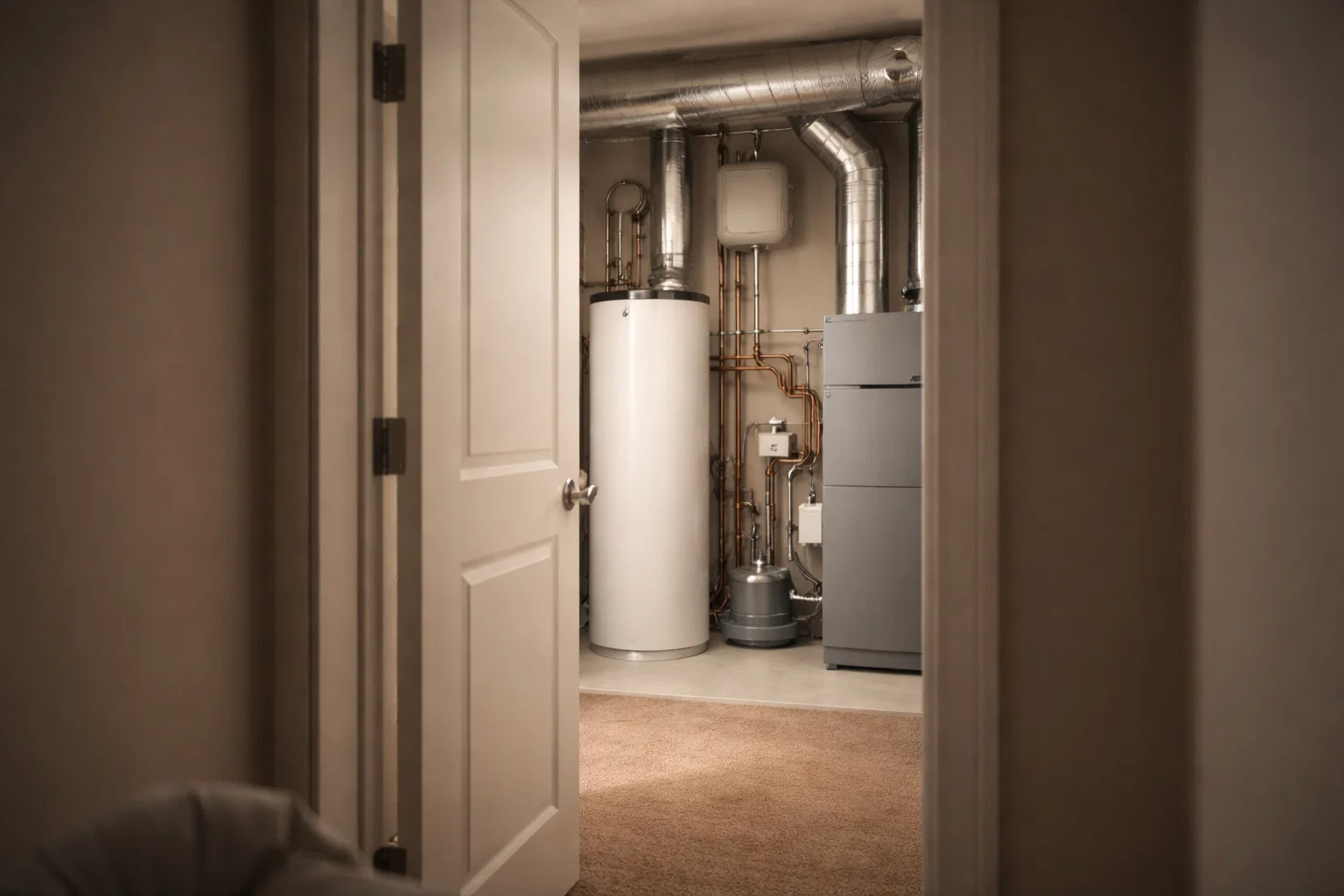
The First Pause: Heat Pumps
Heat pumps are a common trigger for that hesitation.
At a basic level, they work by moving heat rather than creating it, providing both heating and cooling through a single system. That explanation is straightforward. But for buyers, it still feels foreign because it doesn’t match what they already know.
They aren’t worried about the technology.
They’re worried about trusting something unfamiliar.
This is where fear grows, not from complexity, but from silence.
When agents skip over the system entirely or rush through it, buyers fill in the gap themselves. And what they imagine is almost always worse than reality.

The Second Pause: Solar
Solar creates a different kind of uncertainty.
Buyers don’t immediately think about kilowatt-hours or grid interaction. They think:
Is this mine?
What happens if something breaks?
Does this change my bills?
Solar isn’t confusing because it’s technical. It’s confusing because it changes the relationship between a home and energy. When that relationship isn’t explained in simple terms, buyers don’t know how to situate it in their expectations.
Again, uncertainty fills the space where explanation should live.

The Third Pause: Bills
If there’s one thing buyers rarely admit they’re worried about, it’s future utility bills.
They don’t ask for numbers because they know numbers can’t be promised. What they want is context. They want to understand what actually drives energy costs in a home.
When that context isn’t provided, buyers assume the worst.
The safest and most honest framing isn’t prediction. It’s orientation: energy bills reflect how a home uses and holds energy, how systems interact with the building envelope, and how weather and behavior shape outcomes over time.
That framing reduces fear without making guarantees.

The Quiet Layer No One Talks About: Shame
There’s another layer to energy anxiety that’s easy to miss.
Shame.
Buyers often wonder whether they should already understand these systems. They worry about asking a question that sounds uninformed. Silence becomes a coping strategy.
This is why plain-language explanations matter so much. Not because buyers need more information, but because they need permission to not already know.
When professionals avoid the topic altogether, it reinforces the idea that energy systems are something people are expected to understand on their own.
They aren’t.

What the Buyer in the Hallway Actually Needs
They don’t need an expert lecture.
They don’t need savings claims.
They don’t need technical detail.
They need someone who can turn invisible systems into visible meaning.
Someone who can explain:
- a heat pump as a system that moves heat rather than making it
- solar as a potential complement to household energy use
- energy bills as reflections of systems, envelope, and behavior
This is not about agents becoming technicians. It’s about agents recognizing that silence is not neutral.
When explanation disappears, anxiety takes its place.

Why is it important to explain energy features to buyers?
This isn’t a call for real estate professionals to master energy systems. It’s a reminder that buyers don’t fear homes, they fear uncertainty. Clear, honest orientation reduces that fear. Not by pretending certainty exists, but by respecting what buyers are encountering for the first time.
The buyer standing in the hallway doesn’t need answers to everything.
They just need someone willing to name what they’re looking at.
If you want to go deeper:
- For a conversational approach that removes pressure from clients, see The Comfort Conversation.
- For a structured way to introduce features during tours, read The 90-Second Energy Walkthrough.
- If you want simple explanations of the systems buyers hesitate over, start with Heat Pumps in Connecticut.