When a Connecticut home includes energy-related improvements, the challenge is rarely whether the work was completed. The challenge is whether that work can be seen, understood, and evaluated within the real estate valuation process. Accordingly, home energy documentation is essential.
Appraisers are tasked with forming an independent opinion of value based on verifiable information and market evidence. They are not advocates for sellers, buyers, or programs. They rely on standardized forms, documented features, and comparable sales data. If an improvement cannot be clearly identified and supported with documentation, it effectively disappears from the valuation process.
This is the central reason energy upgrades often fail to influence how a home is perceived or evaluated. The work may exist physically, but without structured documentation, it lacks visibility in the systems appraisers are required to use. A Proof Folder exists to address this gap. It is not a marketing tool. It is an organizational structure designed to make home energy documentation legible to the appraisal process.
Appraisal is a Documentation-Driven Process
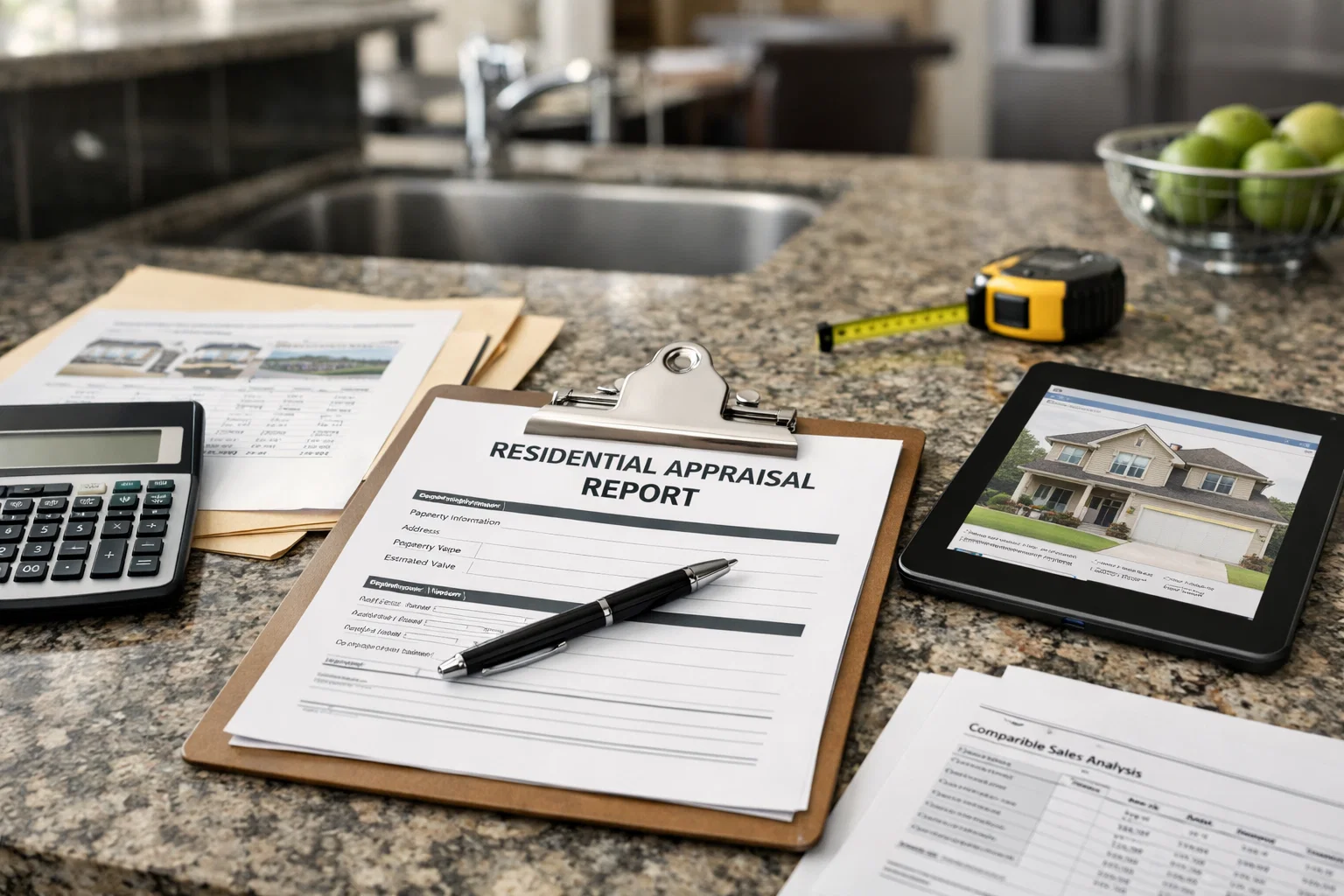
Residential appraisals are not free-form evaluations. They are conducted using standardized reports and underwriting requirements that constrain what appraisers can consider and how they can present it. Most residential appraisals are completed using a uniform appraisal report that focuses heavily on observable characteristics such as square footage, room count, condition, and comparable sales. Historically, these forms have provided limited space to record energy-related features or performance characteristics.
As a result, even substantial improvements can go unrecorded if they are not clearly presented to the appraiser in a usable format. This is not a failure of diligence; it is a structural limitation of the appraisal process. When documentation is absent or incomplete, appraisers cannot reasonably analyze whether energy features contribute to value or marketability. In those cases, the features are often omitted or mentioned only in narrative comments without further consideration.
Visibility is the First Requirement for Value Recognition
Energy improvements differ from many other home features because they are frequently invisible. Insulation, air sealing, mechanical upgrades, and performance measures are typically concealed within walls, attics, basements, or equipment rooms. They do not announce themselves during a walkthrough.
Because of this invisibility, consistent documentation is the first and most critical step in making energy features usable in real estate transactions. Without records, appraisers have no reliable way to verify what was done, when it was completed, or how it compares to other properties in the market.
Documentation does not guarantee recognition. It simply creates the conditions under which recognition becomes possible.
The Role of the Appraiser as a Neutral Party
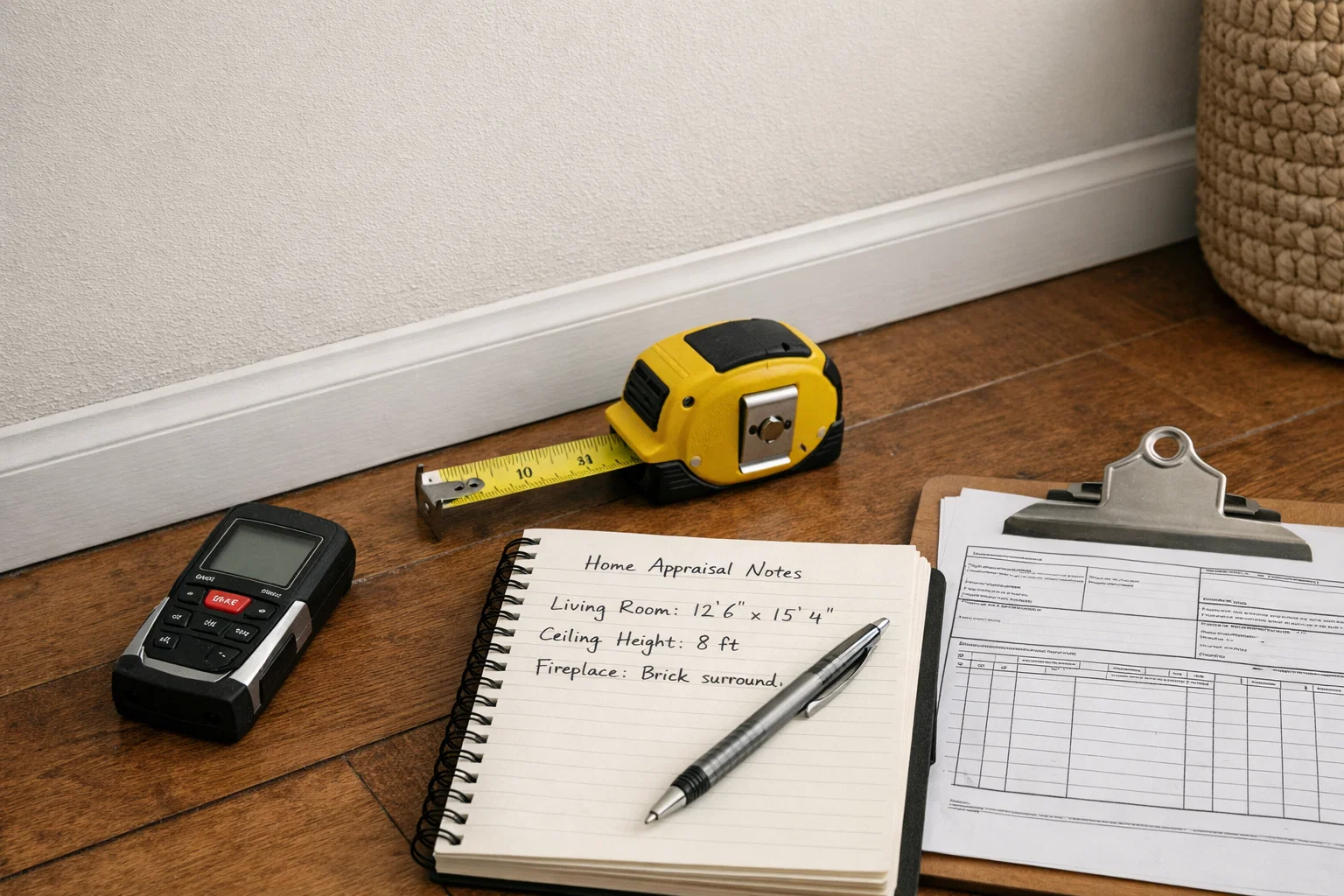
Appraisers function as independent third parties. Their responsibility is not to promote improvements, but to assess whether documented features influence market behavior.
To do this, appraisers must be able to:
- identify energy-efficient features
- understand their characteristics
- compare the subject property to similar properties
- analyze market reaction when comparable data exists
This analysis is only feasible when information is provided in a form that can be verified and included in the appraisal report. Unsupported claims, verbal descriptions, or marketing language are insufficient. A Proof Folder is designed to support this neutral evaluation by supplying factual records without interpretation or advocacy.
Why Standard Appraisal Forms Are Not Enough
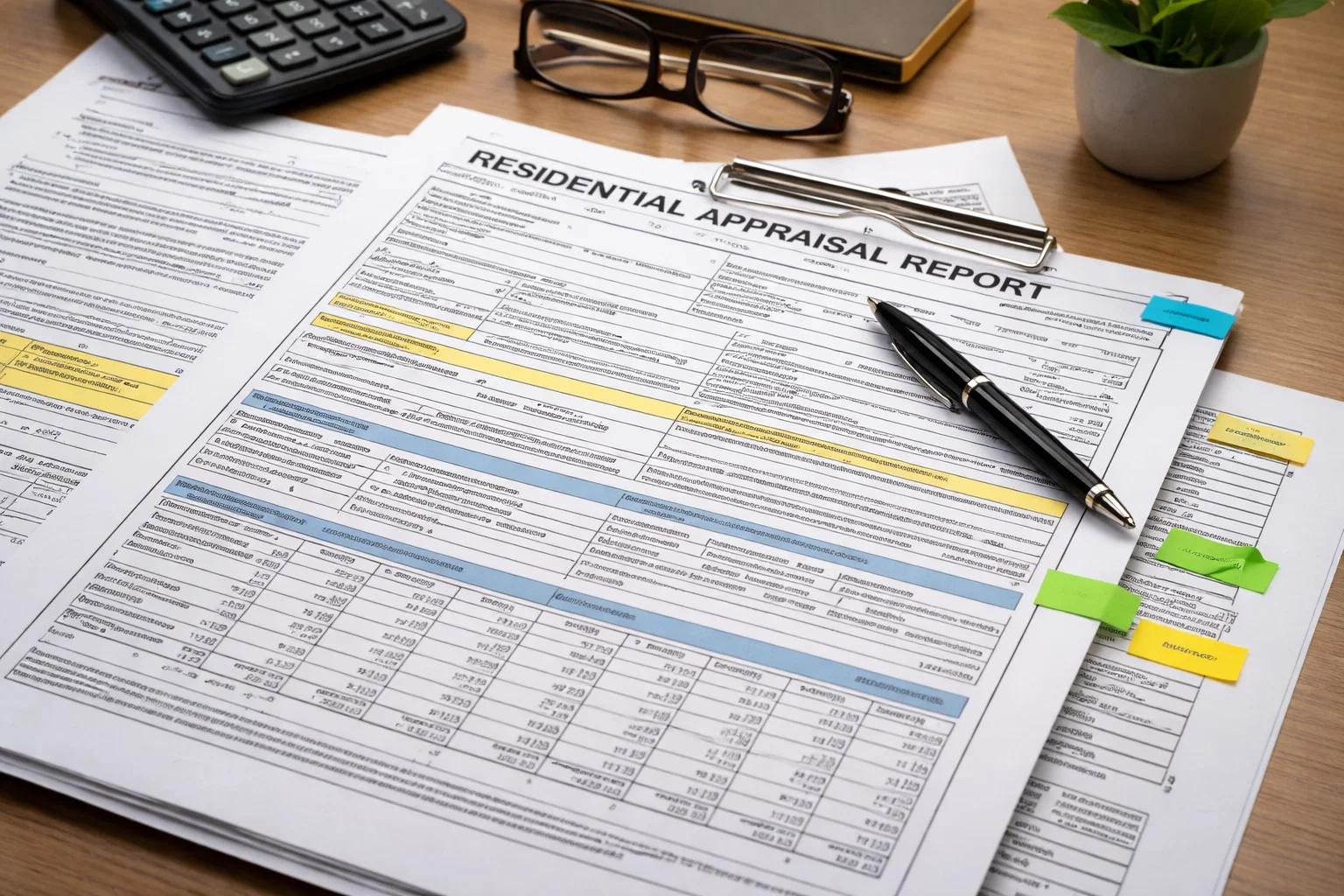
Traditional appraisal forms were not designed with energy efficiency in mind. While they allow appraisers to note special features, they do not provide a consistent framework for recording the details needed to evaluate high-performance characteristics. To address this limitation, a standardized addendum was developed specifically to collect information related to energy efficiency and green features. This addendum is intended to supplement, not replace, the standard appraisal report.
Its purpose is straightforward: provide a consistent structure for recording energy-related information so appraisers can decide whether and how to consider it. However, the addendum cannot be completed without supporting documentation. It relies on information supplied by homeowners, contractors, or listing agents. Without a centralized set of records, even the addendum becomes difficult to use.
The Proof Folder as Supporting Infrastructure
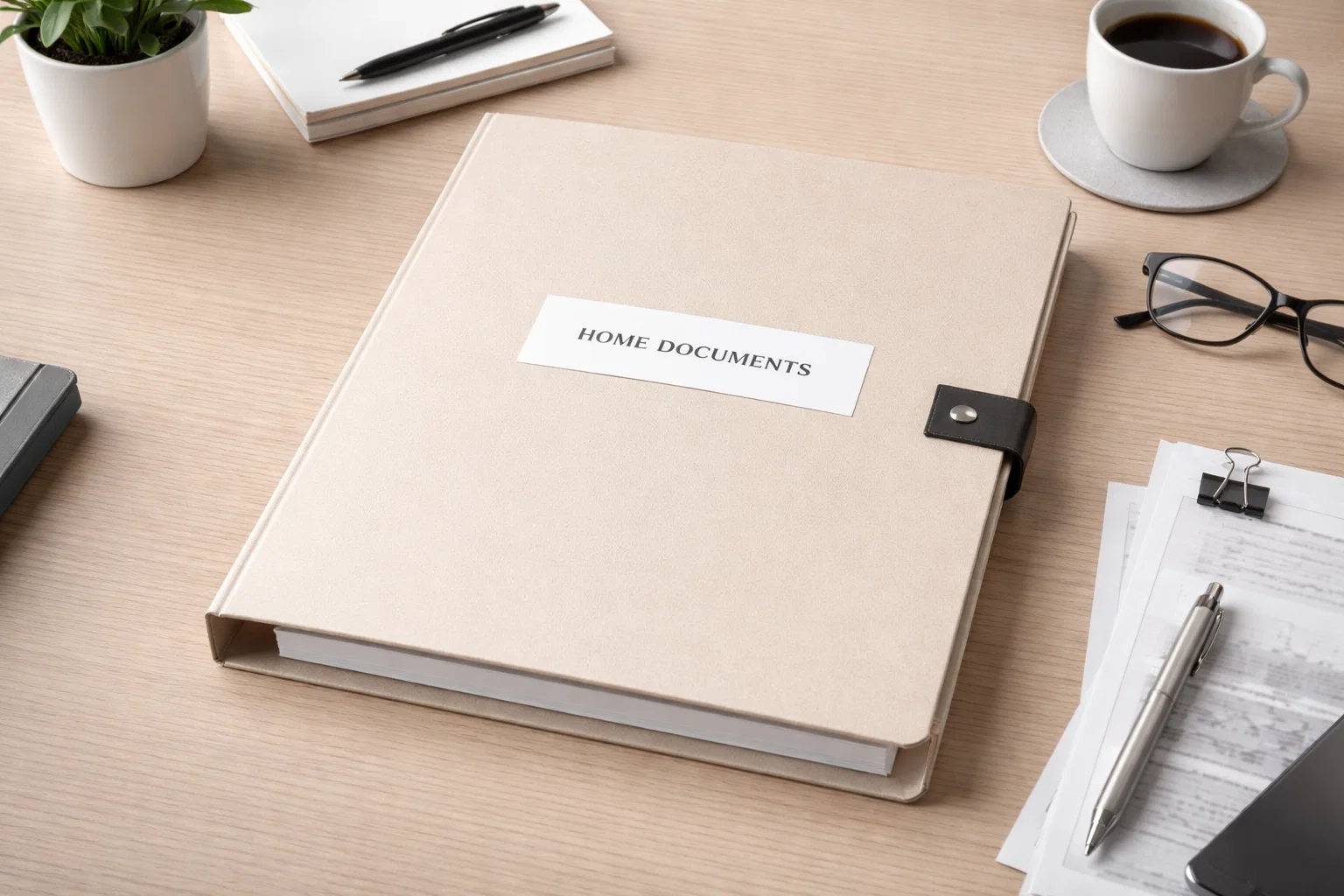
A Proof Folder is best understood as infrastructure rather than a product. It is a system for organizing information so that it aligns with how appraisers work.
At its core, the folder answers basic questions:
- What improvements were made?
- When were they completed?
- Who performed the work?
- What documentation supports the work?
By answering these questions clearly and consistently, the folder allows appraisers to determine whether further analysis is warranted.
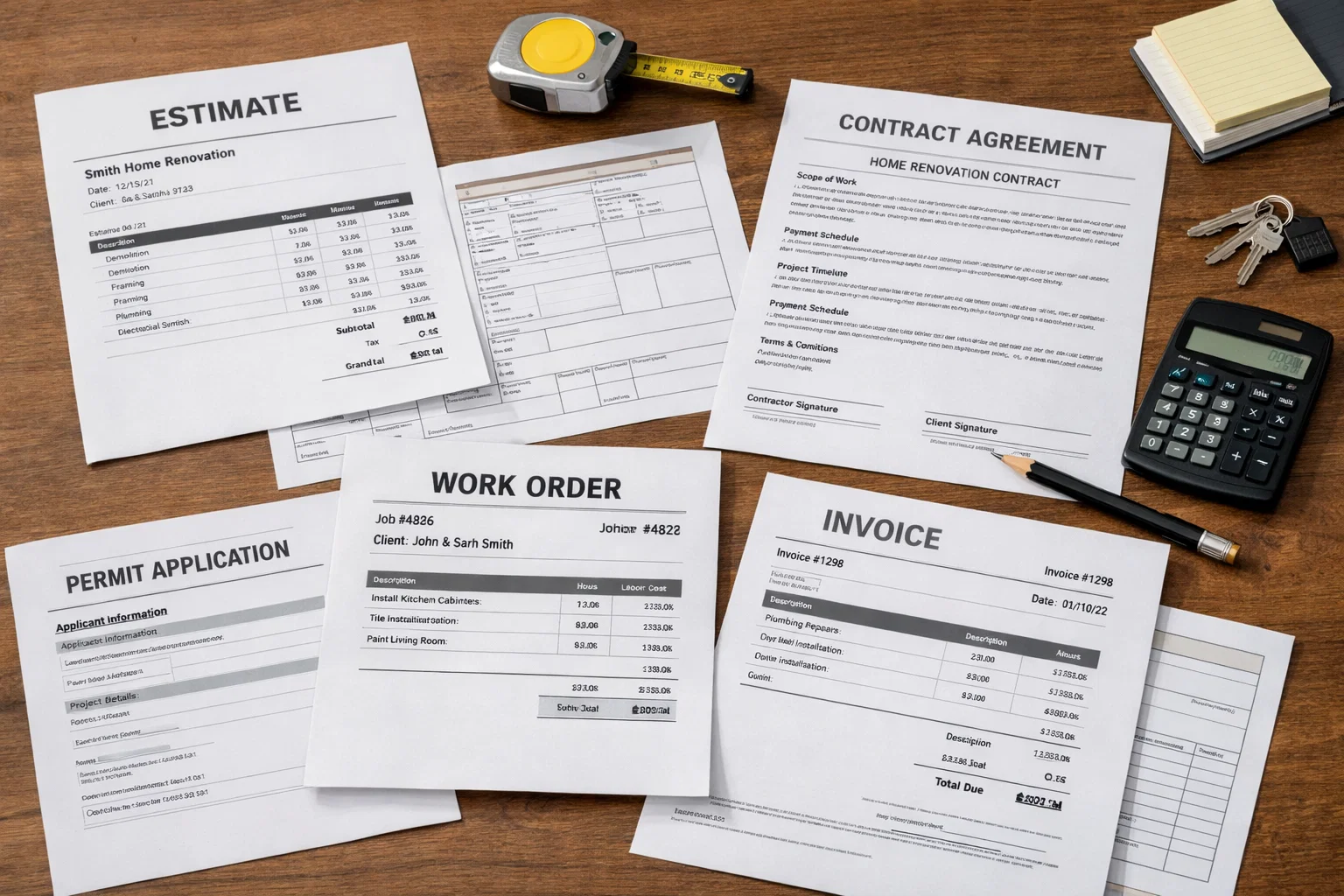
What Belongs in a Proof Folder
A Proof Folder should include only verifiable, factual records. Its contents are not speculative and do not attempt to estimate outcomes.
1. Documentation of Energy-Efficient Features
Records should identify specific features such as:
- insulation upgrades
- air sealing work
- mechanical system improvements
- energy-efficient windows or equipment
Each record should include invoices, receipts, or contractor documentation that confirms the work performed.
2. Installation and Equipment Information
Where applicable, include:
- installation dates
- equipment model numbers
- manufacturer documentation
- system manuals
This information allows appraisers to understand the nature and scope of the improvement without relying on assumptions.
3. Energy Ratings or Assessments
If the home has received an energy rating, score, or assessment, documentation should be included in full. When appraisers rely on such reports, they must be generally acceptable and included as exhibits in the appraisal file.
Partial summaries or verbal descriptions are insufficient.
4. Completed Addenda or Supporting Forms
If the Residential Green and Energy Efficient Addendum has been completed, it should be included as part of the folder. The addendum provides a standardized framework for organizing the information contained in the Proof Folder. Even when the addendum is not completed in advance, the folder provides the raw material needed to support it.
How Documentation Is Used in Appraisals
When energy-efficient features are documented, appraisers may consider them using standard valuation approaches. Any contributory value must be supported by market evidence, similar to other property features. If comparable sales with similar features exist, they may be used. If such data is limited, additional due diligence may be required. In all cases, adjustments must be justified and supported within the appraisal report. Documentation enables this process. It does not compel a specific conclusion.
Appraisers are required to identify and support energy-efficient features using acceptable documentation and market evidence when those features are present in a property. Federal mortgage appraisal guidance outlines how energy-efficient improvements must be described, justified, and included in the appraisal report, including the use of exhibits, photos, and supporting documentation when relied upon. These requirements explain why organized records are necessary for energy features to be considered at all during valuation.
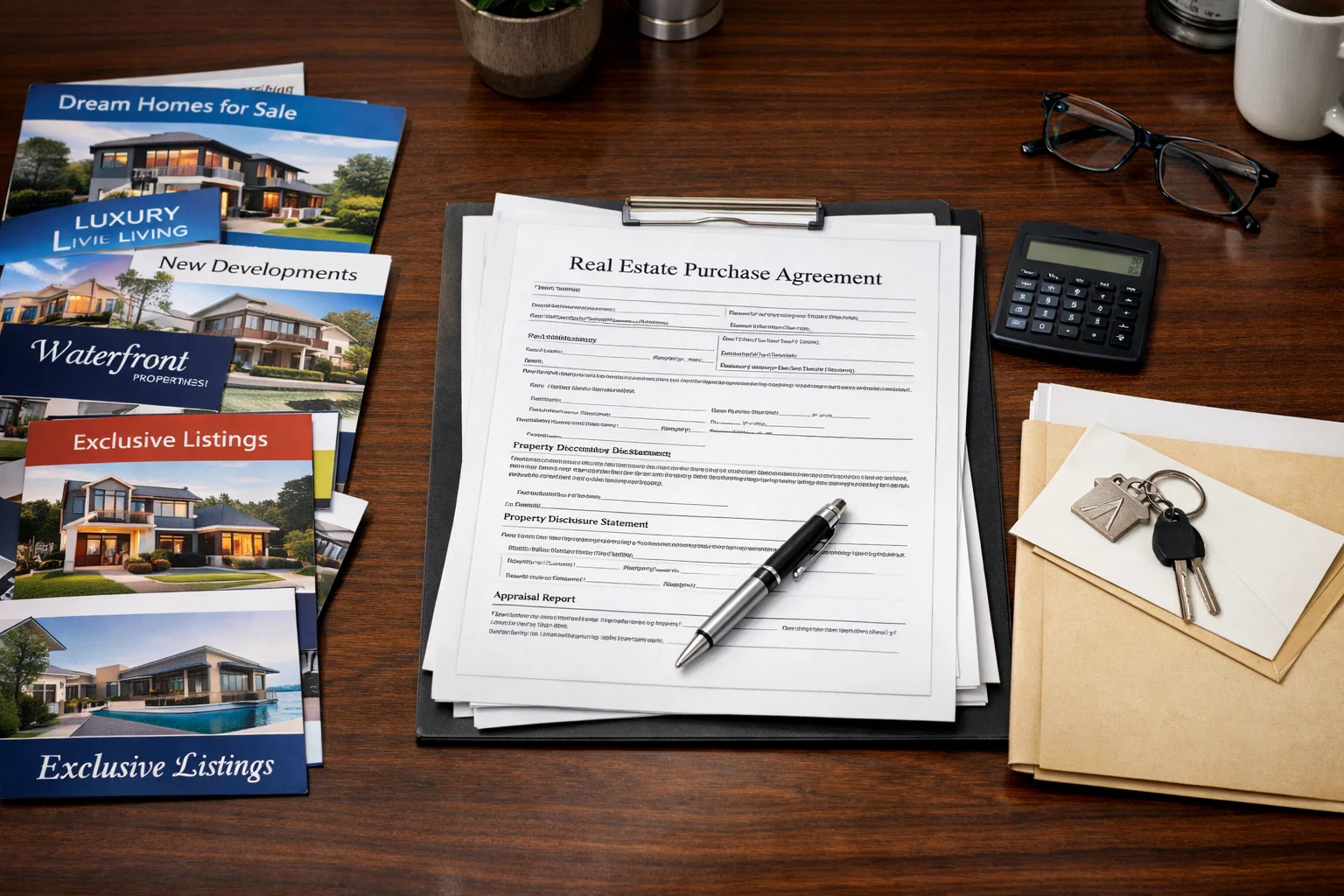
What a Proof Folder Is Not
A Proof Folder is not a marketing packet. It should not include:
- projected energy savings
- return-on-investment estimates
- financial projections
- unverified performance claims
- subjective statements
These elements are outside the scope of appraisal practice and can undermine credibility. The goal is clarity, not persuasion.

Why Lack of Documentation Remains the Primary Barrier
Across appraisal practice and industry guidance, one theme appears consistently: energy features are difficult to value when they are not visible in the data appraisers use. This invisibility is not due to resistance or skepticism. It is the result of systems that were not designed to capture energy performance information without deliberate effort. A Proof Folder addresses this structural issue by aligning homeowner records with appraisal requirements.
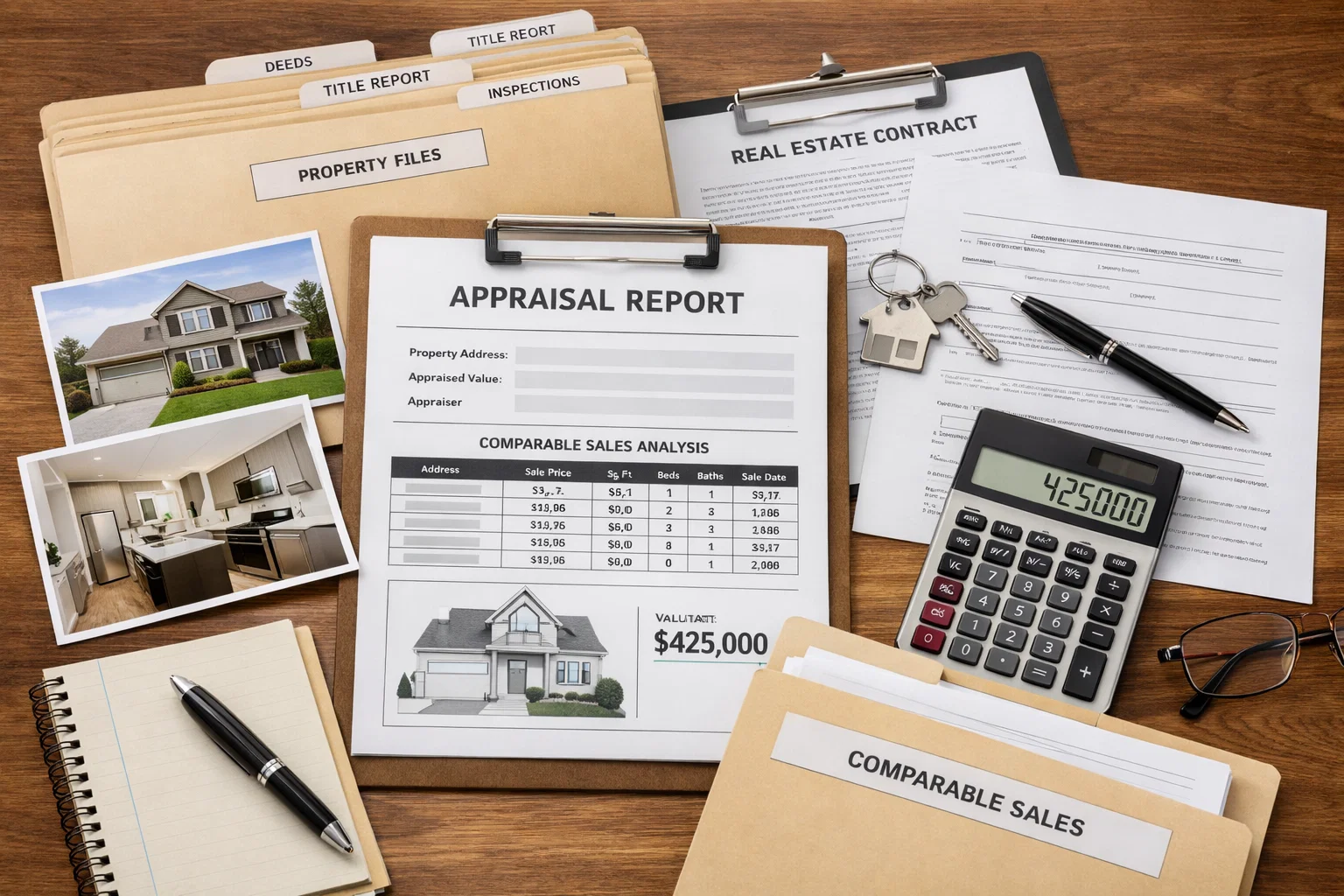
How This Supports Fair Evaluation
Fair evaluation does not mean guaranteed recognition. It means that appraisers have access to the information needed to determine whether recognition is appropriate.
When documentation is provided early and organized clearly:
- appraisers can identify features
- underwriting requirements can be met
- valuation decisions can be supported
Without documentation, none of these steps are possible.
Frequently Asked Questions
What is a Proof Folder?
A Proof Folder is a home energy documentation packet that organizes invoices, specifications, ratings, and addenda so appraisers can verify energy upgrades and reference them in the appraisal file.
Does a Proof Folder guarantee higher appraised value?
No. A Proof Folder improves visibility and verification, but any value impact must be supported by market evidence and comparable sales.
What documents matter most to appraisers?
Itemized invoices or receipts, equipment specifications or model numbers, energy ratings or assessments, and a completed Green and Energy Efficient Addendum when available.
The Bottom Line
Energy improvements do not fail to influence value because they are unimportant. They fail because they are often invisible to the systems responsible for evaluating homes. A Proof Folder does not change market behavior. It does not promise premiums or outcomes. It simply removes a known barrier by making energy-related improvements visible, verifiable, and comparable.
For homes with energy upgrades, documentation is not optional. It is the minimum requirement for fair consideration.
If you want to go deeper:
- To prepare a home for listing without overpromising, see Before You List.
- For a broader view of how upgrades show up during valuation, read How Energy Features Affect Home Value in Connecticut.
- If you want clarity on the features inside these documents, start with Why Insulation and Air Sealing Matter.